Charitable Giving for FIRE Movement: Tax Benefits of Philanthropy
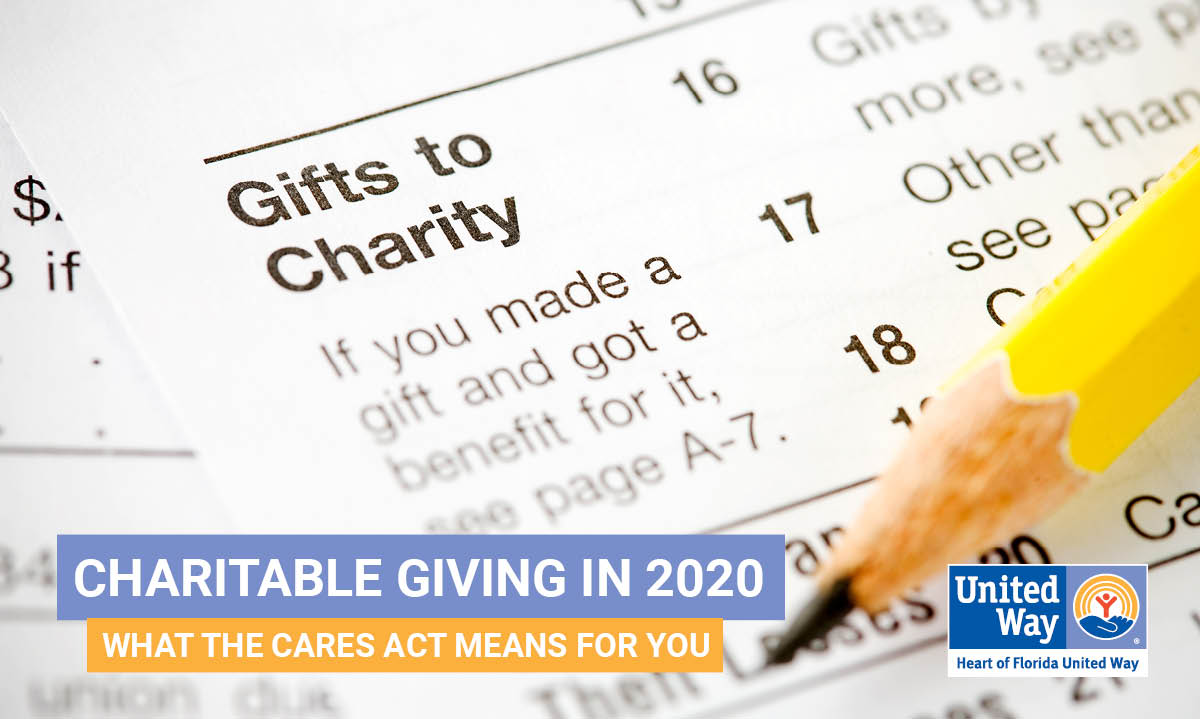
Imagine reaching financial independence, the freedom to pursue your passions and live life on your own terms. But what if you could combine that freedom with making a positive impact on the world, all while potentially lowering your tax bill? Sounds intriguing, right?
Many pursuing FIRE (Financial Independence, Retire Early) focus intensely on accumulation, sometimes overlooking the potential benefits of incorporating charitable giving into their financial strategy. Navigating the complexities of tax laws and understanding how philanthropy fits into a FIRE lifestyle can feel daunting.
This blog post aims to illuminate how strategic charitable giving can be a powerful tool for FIRE enthusiasts, offering both tax advantages and the satisfaction of contributing to causes they care about. We'll explore various giving strategies, discuss the tax implications, and demonstrate how you can align your financial goals with your philanthropic values.
In the following sections, we'll delve into the various tax benefits associated with charitable giving, including deductions for cash and property donations, strategies like donor-advised funds and qualified charitable distributions, and the importance of aligning your giving with your overall financial plan. We will also address common misconceptions and provide practical tips for maximizing the impact of your generosity, both for yourself and the causes you support. Key terms include charitable deductions, itemized deductions, donor-advised funds, qualified charitable distributions (QCDs), and tax-efficient giving.
The Allure of Donor-Advised Funds
Donor-advised funds (DAFs) are like charitable savings accounts. You contribute cash, stock, or other assets, receive an immediate tax deduction (within certain limits), and then recommend grants to your favorite charities over time. Think of it as front-loading your charitable giving in high-income years to maximize your tax benefits while distributing those funds strategically later on.
My own journey with charitable giving started somewhat haphazardly. I'd donate sporadically, often in response to emotional appeals or end-of-year pressure. But it wasn't until I started researching the FIRE movement that I realized how strategically I could approach philanthropy. Setting up a DAF allowed me to donate a significant portion of appreciated stock during a particularly good year. The tax deduction was substantial, and it gave me the flexibility to support causes I cared about deeply over the long term. I felt like I was finally putting my money where my values were, in a way that was financially responsible. It also took away the emotional decision-making in the moment and allowed me to plan thoughtful donations.
The beauty of a DAF is its flexibility. You can contribute a lump sum or make regular contributions, and you can recommend grants to almost any IRS-qualified charity. It's a great way to simplify your charitable giving, track your donations, and ensure that your money is going to organizations that align with your values. It's also a useful tool to consider if you are bunching deductions to overcome the standard deduction.
Furthermore, DAFs are relatively easy to set up and manage. Most major brokerage firms and community foundations offer DAF programs, and the fees are typically quite reasonable. It's definitely worth exploring if you're looking for a tax-efficient and impactful way to give back.
Understanding Qualified Charitable Distributions (QCDs)
Qualified Charitable Distributions (QCDs) are a powerful tool for individuals age 70 1/2 or older with traditional IRAs. A QCD allows you to donate directly from your IRA to a qualified charity, up to $100,000 per year (this number may be adjusted for inflation). The distribution is excluded from your taxable income and can count towards your Required Minimum Distribution (RMD), which is a huge win-win for retirees.
In essence, QCDs allow you to use pre-tax dollars to support your favorite causes. This is particularly beneficial if you don't itemize deductions or if your charitable contributions would not exceed the standard deduction. It's a direct reduction in your adjusted gross income (AGI), which can have a ripple effect on other tax benefits, such as Medicare premiums and the taxation of Social Security benefits. The tax savings can be substantial.
However, there are a few caveats. The donation must go directly from your IRA to a qualified charity. You can't take the distribution yourself and then donate it. Also, you can't deduct the QCD as a charitable contribution on your tax return, since it's already excluded from your income. You also can't receive any benefit from the donation, such as tickets to a fundraising event.
For FIRE enthusiasts who are already retired or approaching retirement, QCDs can be a valuable tool for managing their tax liability and giving back to the community. It's a way to reduce your RMD, lower your taxable income, and support causes you care about, all in one fell swoop.
The History and Myths of Charitable Giving and Taxes
The concept of tax incentives for charitable giving dates back to the early 20th century in the United States. It was initially introduced to encourage private philanthropy to support public services during times of economic hardship and war. Over the years, the tax laws have evolved, but the fundamental principle remains the same: to incentivize individuals and businesses to contribute to charitable causes.
One common myth is that only wealthy people can benefit from charitable giving tax deductions. While it's true that higher-income individuals often have more capacity to donate, anyone who itemizes deductions can potentially benefit from charitable contributions. The key is to understand the rules and limitations, such as the percentage limitations on deducting contributions based on your adjusted gross income (AGI).
Another myth is that donating to charity is solely about getting a tax break. While the tax benefits are certainly a nice perk, the primary motivation for most people who donate is a genuine desire to make a difference in the world. It's about supporting causes they believe in, helping those in need, and creating a better future. The FIRE movement encourages people to live intentionally and align their spending with their values, and charitable giving is a natural extension of that philosophy.
Finally, some believe that donating cash is the only way to give. However, there are many other ways to support charities, such as donating appreciated stock, real estate, or other assets. These types of donations can often provide even greater tax benefits, especially if you've held the asset for more than a year. You can also volunteer your time and skills, which is a valuable contribution even though it's not tax-deductible.
Unlocking the Secrets of Tax-Efficient Giving
One of the best-kept secrets of tax-efficient giving is "bunching" your deductions. This strategy involves combining several years' worth of charitable donations into a single year to exceed the standard deduction. For example, if you typically donate $5,000 per year and the standard deduction is $13,850 (for single filers in 2023), you wouldn't itemize. But if you donate $20,000 in one year and nothing the following three years, you could itemize in that one year and potentially save on taxes.
Another secret is to donate appreciated assets, such as stocks or mutual funds, that you've held for more than a year. By donating these assets directly to charity, you avoid paying capital gains taxes on the appreciation, and you can still deduct the fair market value of the asset (within certain limitations). This is a particularly effective strategy for FIRE enthusiasts who have accumulated significant investments over time.
A third secret is to consider creating a private foundation. This is a more complex and expensive option, but it can be a powerful tool for individuals and families who want to have more control over their charitable giving. Private foundations allow you to support specific causes, manage your grants, and involve your family in the philanthropic process.
Finally, don't forget about smaller, less-known charities. While it's great to support well-established organizations, smaller charities often have a greater need for funding and can make a bigger impact with your donation. Do your research and find organizations that align with your values and are making a real difference in the community.
Recommendations for Integrating Charitable Giving into Your FIRE Plan
If you're pursuing FIRE, consider incorporating charitable giving into your overall financial plan from the beginning. This will help you stay aligned with your values and make sure that your giving is both impactful and tax-efficient. Start by identifying the causes that you're passionate about and researching charities that are making a real difference in those areas.
Next, determine how much you can afford to give each year. Be realistic about your budget and make sure that your charitable giving doesn't jeopardize your financial goals. Remember, even small donations can add up over time. Consider setting up a recurring donation to your favorite charities to make it easy and consistent.
Then, explore different giving strategies, such as donor-advised funds, qualified charitable distributions, and donating appreciated assets. Talk to a financial advisor or tax professional to determine which strategies are best for your situation. Be sure to keep accurate records of your donations and file your taxes accordingly.
Finally, remember that charitable giving is about more than just money. Consider volunteering your time and skills, advocating for causes you believe in, and educating others about the importance of philanthropy. The FIRE movement is about living intentionally and making a positive impact on the world, and charitable giving is a powerful way to do that.
The Role of Volunteering and Non-Cash Contributions
While cash donations often come to mind first, volunteering your time and donating non-cash items can also be impactful ways to contribute to your community. Volunteering, while not directly tax-deductible for your time, can provide immense personal satisfaction and allow you to directly see the impact of your efforts. It also strengthens your connection to the causes you support.
Donating non-cash items, such as clothing, furniture, or household goods, can also be tax-deductible if you itemize and the items are in good condition. Be sure to get a receipt from the charity and keep a detailed record of the items you donated, along with their fair market value. You can use online resources like Value Guide to help determine the value of your donated items. Also, it's important to make sure that the organization you're donating to is a 501(c)(3) organization.
For FIRE enthusiasts, volunteering can be a great way to stay active and engaged in retirement while also giving back to the community. It can also provide a sense of purpose and fulfillment, which can be especially important after leaving the traditional workforce. Consider using your skills and expertise to help charities in your area, whether it's tutoring students, mentoring young adults, or providing professional services.
Remember, charitable giving is not just about writing a check. It's about using your time, talents, and resources to make a positive impact on the world. Whether you're donating cash, volunteering your time, or donating non-cash items, every little bit helps.
Practical Tips for Maximizing Your Charitable Impact
Before donating, do your research. Use resources like Charity Navigator and Guide Star to evaluate the financial health, transparency, and effectiveness of different charities. Look for organizations that have a clear mission, strong leadership, and a proven track record of success.
Consider setting up a charitable giving budget. Determine how much you can afford to give each year and allocate your donations accordingly. This will help you stay organized and make sure that your giving aligns with your financial goals. You can automate your donations by setting up recurring transfers to your favorite charities.
Take advantage of matching gift programs. Many employers offer matching gift programs, where they will match your donations to eligible charities. This is a great way to double your impact without spending any extra money. Check with your HR department to see if your employer offers a matching gift program.
Be wary of scams. Unfortunately, there are many fake charities that prey on people's generosity. Before donating, make sure that the organization is legitimate and that your donation will actually go to the intended cause. You can check the IRS website to see if a charity is a registered 501(c)(3) organization.
Finally, remember that charitable giving is a personal decision. Give to causes that you're passionate about and that align with your values. Don't feel pressured to donate to every charity that asks for money. Focus on supporting the organizations that you believe are making the biggest impact.
Understanding the Standard Deduction vs. Itemizing
The standard deduction is a set amount that you can deduct from your taxable income, regardless of your actual expenses. For the 2023 tax year, the standard deduction is $13,850 for single filers and $27,700 for married couples filing jointly. If your total itemized deductions, including charitable contributions, are less than the standard deduction, you'll typically be better off taking the standard deduction.
Itemizing deductions involves listing out all of your eligible expenses, such as charitable contributions, medical expenses, state and local taxes (SALT), and mortgage interest. If your total itemized deductions exceed the standard deduction, you'll save money by itemizing. However, itemizing requires more paperwork and can be more complicated than taking the standard deduction.
For FIRE enthusiasts, the decision to itemize or take the standard deduction depends on your individual circumstances. If you have significant charitable contributions, high medical expenses, or a large mortgage, you may be able to itemize and save on taxes. However, if your deductions are relatively low, you'll likely be better off taking the standard deduction.
Consider using tax software or consulting with a tax professional to help you determine whether to itemize or take the standard deduction. They can analyze your situation and provide personalized advice based on your specific circumstances. Remember, the goal is to minimize your tax liability and maximize your financial well-being.
Fun Facts About Charitable Giving
Did you know that the most popular type of charitable donation is cash? While non-cash donations, such as clothing and household goods, are also common, cash donations account for the largest share of charitable giving in the United States. People are most inclined to give to charities after disasters or when they are personally affected by a cause.
Another fun fact is that women tend to be more generous than men when it comes to charitable giving. Studies have shown that women are more likely to donate to charity and to give a larger percentage of their income than men. This may be due to the fact that women are often more empathetic and compassionate towards others. Also, people with a religious preference often give more to charities.
The largest source of charitable giving in the United States is individuals. While corporations and foundations also contribute significantly to charitable causes, individual donors account for the majority of charitable giving. This highlights the importance of encouraging individual philanthropy and making it easy for people to give back to their communities.
Finally, the holiday season is a popular time for charitable giving. Many people make donations to charity as part of their holiday traditions, and charities often launch fundraising campaigns during this time. However, it's important to remember that charitable giving is not just for the holidays. You can make a difference year-round by supporting the causes you care about.
How to Set Up a Charitable Giving Plan
The first step is to identify your values and passions. What causes are you most passionate about? What issues do you want to help address? Once you've identified your values, you can start researching charities that are working in those areas. Use resources like Charity Navigator and Guide Star to evaluate the financial health, transparency, and effectiveness of different organizations.
Next, determine your giving capacity. How much can you afford to give each year without jeopardizing your financial goals? Be realistic about your budget and make sure that your charitable giving is sustainable. You can start small and gradually increase your donations over time as your income grows.
Then, choose your giving methods. Will you donate cash, appreciated assets, or non-cash items? Will you give directly to charities, through a donor-advised fund, or through a private foundation? Consider the tax implications of each giving method and choose the ones that are most tax-efficient for your situation.
Set up a system for tracking your donations. Keep accurate records of your donations, including the date, amount, and recipient organization. This will make it easier to file your taxes and claim your charitable deductions. You can use a spreadsheet, a budgeting app, or a dedicated charitable giving platform to track your donations.
Finally, review and adjust your plan regularly. As your financial situation changes, you may need to adjust your giving capacity or your giving methods. It's important to review your plan at least once a year to make sure that it's still aligned with your values and your financial goals.
What If You Can't Afford to Give Much?
Even if you're on a tight budget, there are still ways to give back to your community. One of the most valuable things you can give is your time. Volunteering is a great way to make a difference without spending any money. You can volunteer at a local food bank, homeless shelter, animal shelter, or any other organization that you're passionate about.
Another way to give back is to donate gently used items. Clothing, furniture, and household goods can be donated to charities that serve low-income families. This is a great way to declutter your home and help those in need. You can also donate books to libraries or schools.
You can also use your skills to help others. If you're good at writing, you can volunteer to write grant proposals for charities. If you're good at social media, you can help charities with their online marketing. If you're good at teaching, you can tutor students or lead workshops.
Finally, you can spread awareness about the causes you care about. Talk to your friends and family about the issues that are important to you. Share information about charities on social media. Write letters to your elected officials. Even small actions can make a big difference.
Remember, charitable giving is not just about money. It's about using your time, talents, and resources to make a positive impact on the world. Everyone has something to give, regardless of their financial situation.
A Listicle of Tax-Efficient Charitable Giving Strategies for FIRE Enthusiasts
1.Donor-Advised Funds (DAFs): Contribute appreciated assets, receive an immediate tax deduction, and distribute grants to charities over time.
2.Qualified Charitable Distributions (QCDs): Individuals 70 1/2+ can donate directly from their IRA to qualified charities, reducing taxable income.
3.Bunching Deductions: Combine several years' worth of charitable donations into a single year to exceed the standard deduction.
4.Donating Appreciated Assets: Donate stocks or mutual funds held for more than a year to avoid capital gains taxes.
5.Charitable Remainder Trusts (CRTs): Transfer assets to a trust, receive income for a set period, and then the remaining assets go to charity.
6.Charitable Lead Trusts (CLTs): Provide income to a charity for a set period, and then the remaining assets go back to you or your heirs.
7.Private Foundations: Establish a foundation to support specific causes and manage your grants.
8.Gifting Stock to Family Members for Charitable Giving: Gift appreciated stock to family members in lower tax brackets so they can donate.
9.Volunteering and Donating Non-Cash Items: While volunteering isn't tax-deductible, donating goods can be.
10.Matching Gift Programs: Take advantage of employer matching gift programs to double your impact.
Question and Answer Section about Charitable Giving
Q: What is the maximum amount I can deduct for charitable contributions?
A: The amount you can deduct depends on the type of contribution and your adjusted gross income (AGI). For cash contributions, you can generally deduct up to 60% of your AGI. For contributions of appreciated property, the limit is typically 30% of your AGI.
Q: What qualifies as a qualified charity?
A: A qualified charity is an organization that is recognized by the IRS as a 501(c)(3) public charity. You can check the IRS website to see if an organization is a qualified charity.
Q: What is the difference between a donor-advised fund and a private foundation?
A: A donor-advised fund is a charitable giving account that is sponsored by a public charity. A private foundation is a separate legal entity that is created by an individual or family. Donor-advised funds are generally easier and less expensive to set up and maintain than private foundations.
Q: Do I need to itemize to deduct charitable contributions?
A: Yes, you need to itemize deductions on Schedule A of Form 1040 in order to deduct charitable contributions. If your total itemized deductions are less than the standard deduction, you won't be able to deduct your charitable contributions.
Conclusion of Charitable Giving for FIRE Movement: Tax Benefits of Philanthropy
Incorporating charitable giving into your FIRE journey can be a win-win. By strategically leveraging tax benefits, you can maximize your impact on the causes you care about while also potentially lowering your tax bill. Whether you choose to donate cash, appreciated assets, or your time, remember that every act of generosity, big or small, contributes to a better world. Embrace the opportunity to align your financial independence with your philanthropic values, creating a legacy of both freedom and positive change.
Post a Comment