Collectibles Business for FIRE Movement: Rare Items Income
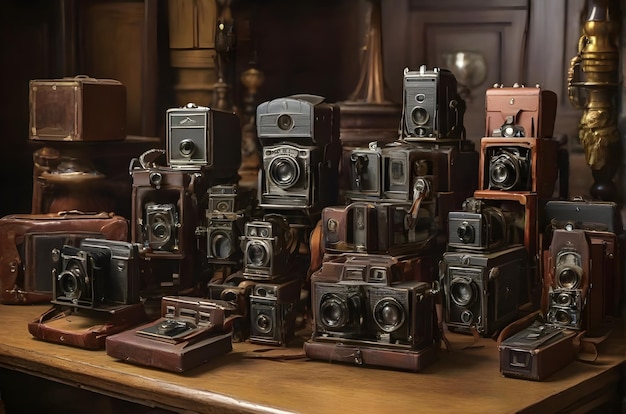
Imagine turning your passion for collecting into a viable path towards financial independence. What if those rare stamps, vintage comics, or antique toys could not only bring you joy but also fund your early retirement? It sounds like a dream, but for a growing number of people pursuing FIRE (Financial Independence, Retire Early), the collectibles business is becoming a lucrative reality.
The traditional path to FIRE often involves years of disciplined saving, aggressive investing, and meticulous budgeting. It can feel like a long, arduous journey, demanding constant vigilance and sacrifice. Many find it challenging to maintain the necessary dedication while juggling work, family, and personal life. Some investment strategies can feel risky, and the market’s volatility can create anxiety and uncertainty. The dream of early retirement can seem distant and unattainable.
This blog post explores how leveraging the world of collectibles can accelerate your journey towards financial independence. We'll delve into the strategies, tips, and secrets of building a successful collectibles business that generates income and ultimately helps you achieve FIRE. From identifying profitable niches to mastering the art of buying and selling, we'll equip you with the knowledge you need to turn your passion into profit.
Ultimately, this post aims to provide a comprehensive guide to understanding how a collectibles business can be integrated into the FIRE movement. We'll cover essential aspects like identifying profitable niches, valuing collectibles, effective buying and selling strategies, and the potential risks and rewards involved. Think of this as your roadmap to transforming your collecting hobby into a serious income stream, bringing you closer to your FIRE goals. Keywords: collectibles, FIRE movement, financial independence, rare items, income, investing, side hustle, early retirement.
My Journey into Collectibles for FIRE
My own foray into the world of collectibles began somewhat accidentally. It wasn't initially driven by a desire for FIRE, but more from a deep-seated fascination with history and a love for old things. I stumbled upon a box of vintage postcards at a flea market, intrigued by the glimpses they offered into a bygone era. Each card told a story, a little snapshot of life from decades past. I bought the box for a song, intending to use them for an art project. However, as I started researching their origins, I discovered that some of the postcards were quite valuable, featuring rare images and historical landmarks. This sparked my interest in the market for vintage postcards.
I started spending my free time scouring antique stores, flea markets, and online auctions, learning to identify valuable postcards and assess their condition. Initially, the learning curve was steep. I made some mistakes, overpaying for some items and misjudging the market value of others. However, with each purchase and sale, I gained valuable experience and honed my skills. I realized that this passion could potentially become a substantial income stream, and it fueled my interest in FIRE. Understanding the market dynamics, the trends, and the psychology of collectors is essential for success. This is about more than just flipping items; it's about building a sustainable business model that contributes to your long-term financial goals. The journey of turning a hobby into a potential FIRE pathway is often filled with challenges, but the potential rewards are well worth the effort.
What is a Collectibles Business for FIRE?
A collectibles business for FIRE is essentially a strategic approach to building wealth by buying, selling, and trading collectible items. It’s not just about accumulating a collection for personal enjoyment; it’s about treating your passion as a business, with the primary goal of generating income and accelerating your journey towards financial independence and early retirement. This approach requires a shift in mindset from hobbyist to entrepreneur, demanding a level of discipline, research, and strategic planning. The key is to identify niches with high demand and limited supply, learn how to value collectibles accurately, and develop effective buying and selling strategies.
This business model differs significantly from traditional investment approaches. While the stock market or real estate investments can be subject to external market forces, the collectibles market often operates independently, driven by factors such as rarity, historical significance, and collector demand. A collectibles business can be a powerful tool for achieving FIRE because it offers the potential for high returns and can be a fun and engaging way to build wealth. It's about turning something you love into a source of income that supports your financial goals. The convergence of passion and profit is what makes this approach so appealing to those pursuing FIRE.
History and Myth of Collectibles for FIRE
The concept of collecting as a path to financial gain is as old as collecting itself. Throughout history, rare and valuable items have served as stores of wealth and sources of income. From ancient coins and artifacts to Renaissance art and antique furniture, collecting has always been intertwined with financial prosperity. The "myth" surrounding collectibles often involves stories of incredible finds and overnight fortunes, fueling the dream of striking it rich through a single, lucky discovery. While these stories are certainly enticing, they represent the exception rather than the rule.
The reality of building a successful collectibles business for FIRE is grounded in hard work, research, and strategic planning. It requires developing a deep understanding of the market, identifying profitable niches, and mastering the art of buying and selling. The historical context of collectibles is crucial to understanding their value and potential for appreciation. Recognizing the trends and cycles in the market is essential for making informed investment decisions. While the dream of finding a hidden treasure is alluring, a sustainable collectibles business is built on a foundation of knowledge, skill, and a keen eye for opportunity. Understanding that the market is constantly evolving, and adapting strategies accordingly, is key to long-term success in the collectibles world.
The Hidden Secret of Collectibles for FIRE
The hidden secret to successfully integrating collectibles into your FIRE strategy isn't necessarily about finding the rarest or most expensive items. Instead, it revolves around specialization and deep knowledge within a specific niche. Rather than trying to be a generalist collector with knowledge across various categories, concentrate your efforts on becoming an expert in a particular area. This could be anything from vintage sports cards to rare books, antique toys, or even specific types of pottery. By focusing on a narrow niche, you can develop a deep understanding of the market dynamics, learn to identify undervalued items, and build a network of contacts within that community.
This specialization allows you to leverage your expertise to gain a competitive edge. You'll be better equipped to spot deals, negotiate prices, and market your items to the right buyers. Additionally, becoming a recognized expert in a niche can attract other collectors and dealers, creating opportunities for collaboration and knowledge sharing. The power of specialization lies in its ability to transform you from a casual collector into a trusted authority. It's about becoming the go-to person for information and expertise in your chosen area, which can significantly increase your profitability and accelerate your path to FIRE. This creates a sustainable, rewarding, and potentially lucrative business.
Recommendation of Collectibles Business for FIRE
My top recommendation for anyone considering a collectibles business for FIRE is to start small and focus on what you love. Don't jump into a high-value niche without first gaining experience and knowledge. Begin by exploring areas that genuinely interest you, whether it's vintage video games, comic books, or antique jewelry. This passion will fuel your motivation and make the learning process more enjoyable. Take the time to research the market, understand the pricing dynamics, and identify potential opportunities. Start with a small budget and gradually increase your investment as you gain confidence and experience.
Network with other collectors, dealers, and experts in your chosen niche. Attend conventions, join online forums, and build relationships with people who can share their knowledge and insights. This networking can provide invaluable opportunities for learning, mentorship, and collaboration. Remember that building a successful collectibles business takes time and effort. Don't be discouraged by setbacks or mistakes. Every challenge is an opportunity to learn and grow. By combining passion, knowledge, and strategic planning, you can transform your love for collectibles into a powerful tool for achieving financial independence and early retirement. The recommendation is simple: start small, learn constantly, and network actively.
Mastering the Art of Collectibles Valuation
One of the most crucial skills for a successful collectibles business is the ability to accurately assess the value of an item. This involves considering various factors, including rarity, condition, provenance, and market demand. Rarity refers to the scarcity of an item; the fewer examples that exist, the higher its potential value. Condition is another critical factor; items in excellent condition typically command higher prices than those with damage or wear. Provenance refers to the item's history and ownership; items with a documented history or association with famous individuals can be particularly valuable. Finally, market demand reflects the current interest in the item among collectors; items that are highly sought after will generally fetch higher prices.
Beyond these fundamental factors, it's essential to stay informed about market trends and pricing data. Utilize online resources, auction records, and price guides to track the values of different collectibles. Attend auctions and conventions to observe the market firsthand and learn from experienced collectors and dealers. Consider consulting with experts or appraisers for valuable or unusual items. Accurate valuation is essential for both buying and selling collectibles. It allows you to identify undervalued items that offer the potential for profit and ensures that you're pricing your items competitively to attract buyers. Mastering the art of valuation is an ongoing process that requires continuous learning and adaptation. By honing your skills in this area, you can significantly increase your profitability and reduce the risk of making costly mistakes.
Tips for Building a Thriving Collectibles Business
Building a thriving collectibles business requires more than just a passion for collecting; it demands strategic planning, effective marketing, and sound financial management. One of the most important tips is to develop a clear business plan that outlines your goals, target market, and financial projections. This plan should serve as a roadmap for your business, guiding your decisions and helping you stay on track. Another essential tip is to build a strong brand and online presence. Create a professional website or online store to showcase your inventory and reach a wider audience. Use social media platforms to connect with collectors, share your knowledge, and promote your items.
Effective marketing is crucial for attracting buyers and driving sales. Consider advertising your items on online marketplaces, in specialized publications, and at local events. Offer excellent customer service to build trust and loyalty among your customers. Finally, practice sound financial management by tracking your income and expenses, managing your inventory effectively, and setting aside funds for taxes and future investments. Avoid overspending on inventory and be disciplined with your finances. Building a thriving collectibles business requires a combination of passion, business acumen, and a commitment to continuous improvement. By following these tips, you can increase your chances of success and accelerate your journey to FIRE.
The Ethical Considerations in Collectibles
The collectibles market, while often driven by passion and historical interest, also presents a number of ethical considerations that buyers and sellers should be aware of. One of the primary concerns is the authenticity of items. Counterfeiting and forgery are unfortunately prevalent in the collectibles world, and it's essential to take steps to ensure that the items you're buying or selling are genuine. Research the item's history and provenance, examine it carefully for signs of authenticity, and consider consulting with experts or appraisers. Another ethical consideration is the responsible sourcing of collectibles. Avoid purchasing items that may have been acquired illegally or unethically, such as looted artifacts or endangered species products.
Be transparent and honest in your dealings with other collectors and dealers. Disclose any known flaws or issues with the items you're selling and avoid making misleading claims or exaggerations. Respect the rights of other collectors and refrain from engaging in unethical or predatory behavior. Building a reputation for integrity and ethical conduct is essential for long-term success in the collectibles market. By adhering to these ethical guidelines, you can help ensure that the collectibles world remains a vibrant and sustainable community for years to come. Remember, ethical practices build trust and foster a positive environment for everyone involved.
Fun Facts About the Collectibles Business
The world of collectibles is filled with fascinating stories, unusual items, and surprising facts. For example, did you know that the most expensive comic book ever sold was a copy of Action Comics #1, featuring the first appearance of Superman, which fetched over $3 million at auction? Or that the most valuable trading card is a Honus Wagner baseball card, which sold for over $6 million? These are just a few examples of the incredible values that can be found in the collectibles market. Another fun fact is that the popularity of different collectibles often fluctuates with cultural trends and historical events. Items associated with certain movies, TV shows, or historical periods can experience surges in demand and value.
The psychology of collecting is also quite interesting. Collectors are often driven by a combination of factors, including nostalgia, a desire for ownership, and a passion for history or art. The act of collecting can provide a sense of accomplishment, social connection, and intellectual stimulation. The collectibles market is constantly evolving, with new trends and categories emerging all the time. Staying informed about these trends and understanding the psychology of collectors can be essential for success in the collectibles business. The combination of history, psychology, and financial potential makes the collectibles world a truly fascinating and rewarding area to explore.
How to Start a Collectibles Business for FIRE
Starting a collectibles business for FIRE may seem daunting, but it's entirely achievable with the right approach. The first step is to identify your niche and develop a deep understanding of the market. Research different categories of collectibles and choose an area that genuinely interests you and has the potential for profit. Once you've chosen your niche, start building your knowledge base by reading books, articles, and online resources. Attend conventions and auctions to learn from experienced collectors and dealers. Next, create a business plan that outlines your goals, target market, and financial projections. This plan should serve as a roadmap for your business and help you stay on track.
Develop a sourcing strategy for acquiring collectibles. Explore various channels, such as antique stores, flea markets, online auctions, and estate sales. Learn how to identify undervalued items and negotiate prices effectively. Create a system for managing your inventory and tracking your income and expenses. Finally, develop a marketing strategy to reach your target market. Create a professional website or online store, use social media platforms to connect with collectors, and advertise your items in relevant publications and marketplaces. Starting a collectibles business takes time, effort, and a willingness to learn. However, with passion, knowledge, and strategic planning, you can turn your love for collectibles into a path towards financial independence.
What if the Collectibles Market Crashes?
One of the biggest concerns for anyone investing in collectibles is the potential for a market crash. Like any investment, the value of collectibles can fluctuate, and there's always a risk that prices could decline. However, there are several strategies you can use to mitigate this risk and protect your investment. Diversification is key. Don't put all your eggs in one basket by focusing on a single type of collectible. Diversify your portfolio across different categories to reduce your exposure to any one market. Do your research and avoid investing in items that are purely speculative or based on hype. Focus on items that have a proven track record of value and strong collector demand.
Stay informed about market trends and be prepared to adjust your strategy as needed. If you see signs that a particular market is overheating, consider selling some of your holdings to lock in profits. Don't panic sell during a downturn. Instead, take a long-term perspective and remember that the collectibles market has historically rebounded from setbacks. Finally, remember that the primary goal of collecting should be enjoyment. Don't invest more than you can afford to lose, and focus on collecting items that you genuinely appreciate. Even if the market declines, you'll still have a collection that brings you joy and personal satisfaction. Collectibles are a long-term investment; weathering the storms is part of the process.
Listicle: 5 Collectibles for FIRE Potential
Looking for promising collectibles to fuel your FIRE journey? Here are five categories with strong potential:
- Vintage Sports Cards: High-grade vintage cards of iconic athletes remain highly sought after.
- Rare Books: First editions and signed copies of influential books can command impressive prices.
- Vintage Video Games: Early console games in their original packaging are experiencing a surge in popularity.
- Fine Art Prints: Limited edition prints by renowned artists can be a valuable addition to any collection.
- Antique Coins: Rare and well-preserved coins offer both historical significance and investment potential.
These are just a few examples, and the best collectibles for you will depend on your interests, knowledge, and budget. Remember to do your research and focus on building a diversified portfolio to maximize your chances of success. Each category has its unique dynamics, and success hinges on understanding these nuances. Always prioritize learning and adapting to stay ahead in the evolving world of collectibles. Choose wisely and enjoy the process of building your collection.
Question and Answer Section About Collectibles for FIRE
Q: What are the biggest risks of investing in collectibles for FIRE?
A: The biggest risks include fluctuating market values, the potential for fraud or counterfeiting, and the illiquidity of some collectibles. It's essential to do your research, diversify your portfolio, and buy from reputable sources to mitigate these risks.
Q: How much capital do I need to start a collectibles business?
A: You can start with a relatively small amount of capital, depending on your chosen niche. It's best to start small and gradually increase your investment as you gain experience and knowledge.
Q: How do I determine the value of a collectible item?
A: Determining the value of a collectible involves considering factors such as rarity, condition, provenance, and market demand. Utilize online resources, auction records, and price guides to track values and consult with experts when necessary.
Q: Where can I sell my collectibles?
A: You can sell your collectibles through various channels, including online marketplaces, auction houses, consignment shops, and local events. Choose the channel that best suits your target market and the type of items you're selling.
Conclusion of Collectibles Business for FIRE
The world of collectibles offers a unique and potentially lucrative pathway to financial independence and early retirement. By combining passion, knowledge, and strategic planning, you can transform your love for collecting into a sustainable income stream that accelerates your journey to FIRE. Remember to start small, focus on a niche, and continually educate yourself about the market. While the collectibles market presents risks, these can be mitigated through diversification, research, and sound financial management. Embrace the joy of collecting while building a business that supports your financial goals. The opportunity is there to turn your passion into profit and achieve the dream of early retirement.
Post a Comment