Craft Business for FIRE Movement: Handmade Items Income
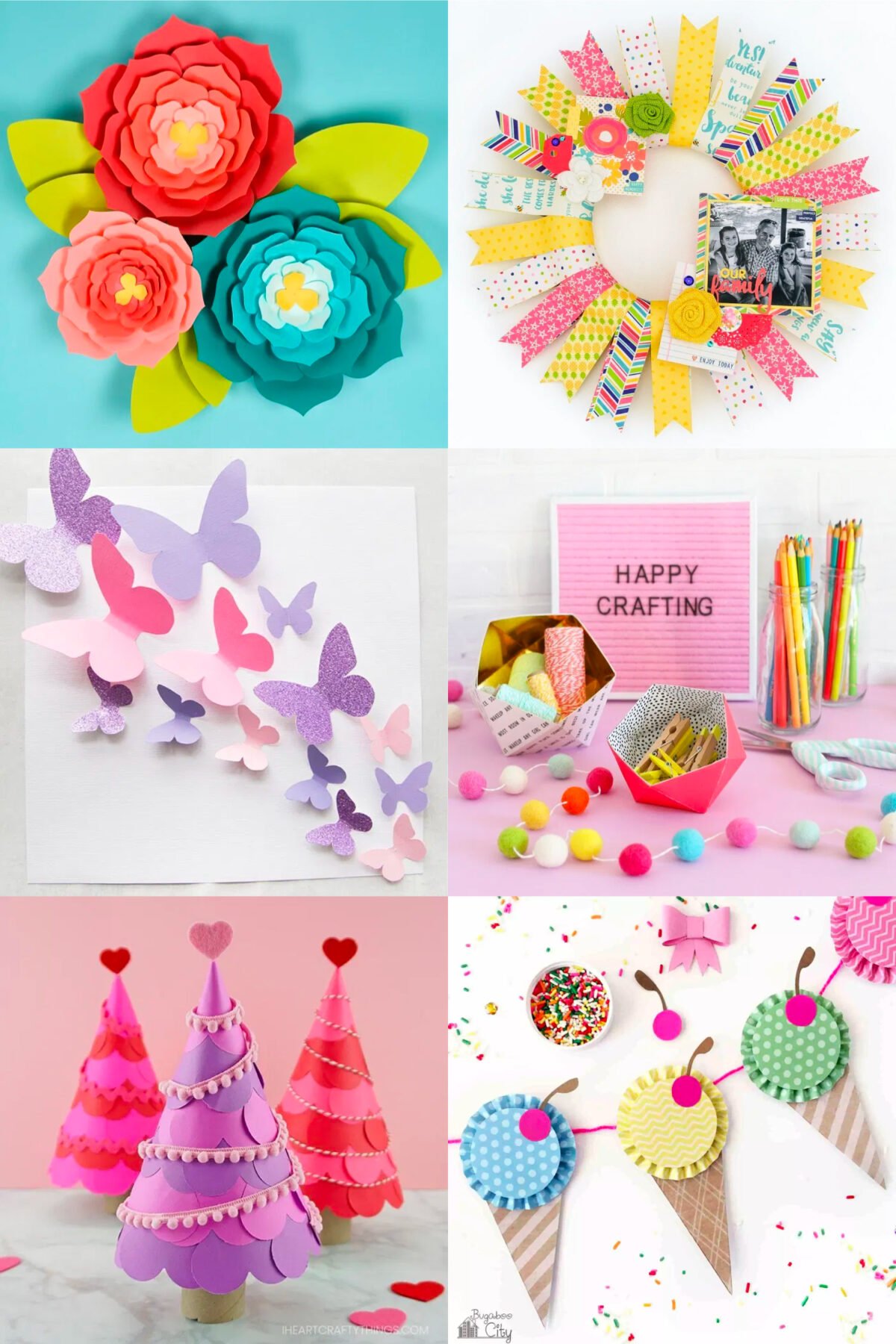
Imagine a life where your passion fuels your financial independence, where every stitch, brushstroke, or carefully crafted piece brings you closer to early retirement. It sounds like a dream, right? But for many creatives, it's becoming a tangible reality through a potent combination: handmade businesses and the FIRE movement.
Many individuals pursuing FIRE face limitations. Traditional paths, like climbing the corporate ladder, often demand long hours and significant sacrifices. Others find it difficult to align their values with their income sources, leaving them feeling unfulfilled despite their financial progress. Moreover, the initial investment required to begin traditional passive income streams can be a major hurdle.
This blog post delves into how a craft business, creating and selling handmade items, can be a powerful tool in achieving Financial Independence, Retire Early (FIRE). We'll explore how your creative talents can generate income, build assets, and ultimately accelerate your journey to financial freedom.
Craft businesses, especially those centered around unique handmade items, are proving to be valuable assets in the FIRE movement. We will explore the advantages of starting a craft business, including low startup costs, flexibility, and the potential for high profit margins. We will also touch on the importance of branding, marketing, and scaling your business for maximum impact. Consider this your guide to turning your passion into passive income and reaching FIRE faster.
The Allure of Combining Crafts and FIRE
The beauty of blending crafting with FIRE is the intrinsic enjoyment. It's not just about making money; it's about crafting a life you love. I remember when I first started making jewelry. I was working a soul-crushing office job and felt like my creativity was being stifled. I started making earrings as a way to unwind after work, something just for me. Slowly, friends and family started asking to buy them. That small spark of demand ignited something within me. I realized I could potentially turn this creative outlet into a source of income. The thought of FIRE hadn't even crossed my mind at that point! However, as I delved deeper into the world of handmade businesses, I discovered the immense potential for growth. That's when I started to research FIRE and how these two ideas could work together. The idea that what I love could help me reach financial freedom has been extremely motivating.
A craft business offers a unique path to FIRE because it allows you to leverage your existing skills and passion. This intrinsic motivation often translates to higher quality products and greater customer satisfaction. Furthermore, handmade items have a unique appeal in today's world of mass-produced goods. People are drawn to the authenticity and artistry of handmade creations. This allows you to command premium pricing, boosting your profit margins and accelerating your FIRE journey. The flexible nature of craft businesses is also a significant advantage. You can often set your own hours, work from home, and scale your business at your own pace, allowing you to maintain a healthy work-life balance while pursuing your financial goals.
Understanding the FIRE Movement
Financial Independence, Retire Early, or FIRE, is a lifestyle movement with the goal of gaining financial independence and retiring far earlier than the traditional retirement age. It's achieved through aggressive saving and investment strategies, with the goal of building a portfolio that generates enough passive income to cover living expenses. The core principle involves minimizing expenses, maximizing income, and strategically investing the difference. This allows individuals to accumulate wealth faster and break free from the traditional 9-to-5 grind. The FIRE movement emphasizes mindful spending, prioritizing experiences and values over material possessions. The aim isn't necessarily to stop working altogether, but rather to have the freedom to choose how to spend your time, whether it's pursuing passions, spending time with loved ones, or contributing to causes you care about.
There are variations within the FIRE movement, such as Lean FIRE (living on a very frugal budget), Fat FIRE (maintaining a comfortable lifestyle), and Barista FIRE (part-time work to supplement investment income). The specific approach depends on individual goals, risk tolerance, and desired lifestyle. What unites all FIRE followers is the commitment to taking control of their finances and building a future of freedom and flexibility. Understanding the principles of FIRE is crucial for anyone looking to leverage a craft business to achieve financial independence. It provides a framework for setting financial goals, tracking progress, and making informed decisions about saving, investing, and scaling your business.
Myths and Realities of Crafting for FIRE
One common misconception is that craft businesses are merely hobbies and can't generate significant income. While it's true that many start as hobbies, with the right strategy and dedication, they can become thriving businesses that contribute substantially to FIRE goals. Another myth is that you need to be incredibly talented or artistic to succeed. While skill is important, more crucial are a willingness to learn, a focus on quality, and a knack for marketing your products. Many successful crafters started with basic skills and honed their craft over time. There’s also the myth that you need a large upfront investment. Actually, many craft businesses can be started with minimal initial capital, utilizing existing tools and materials.
The reality is that building a successful craft business for FIRE requires hard work, dedication, and a strategic approach. It's not a get-rich-quick scheme, but a viable path to financial independence for those willing to put in the effort. Marketing and sales are just as important as the craft itself. You need to be able to showcase your creations effectively, reach your target audience, and provide excellent customer service. Scaling your business can also present challenges. It requires careful planning, efficient processes, and potentially outsourcing certain tasks. But with persistence and a willingness to adapt, these challenges can be overcome, leading to a sustainable and profitable business that supports your FIRE journey.
Hidden Secrets to Craft Business Success for FIRE
One hidden secret is niching down. Instead of trying to cater to everyone, focus on a specific niche market with a clearly defined need. This allows you to tailor your products and marketing efforts more effectively, attracting a loyal customer base willing to pay a premium for your unique creations. For example, instead of selling generic handmade jewelry, you could specialize in creating minimalist jewelry for eco-conscious consumers. Another secret is building a strong brand identity. This involves creating a unique name, logo, and visual style that reflects your brand values and resonates with your target audience. A strong brand helps you stand out from the competition and build trust with your customers. It’s more than just a pretty logo; it's about communicating your story and values to the world.
Don't underestimate the power of networking. Connect with other crafters, attend craft fairs, and participate in online communities. This allows you to learn from others, share ideas, and build valuable relationships. Collaborating with other businesses or influencers can also significantly expand your reach and generate new leads. Another often overlooked aspect is the importance of financial management. Track your income and expenses meticulously, set realistic financial goals, and reinvest profits strategically to grow your business. Understanding your profit margins and pricing your products effectively is crucial for achieving profitability and accelerating your FIRE journey. These hidden secrets, combined with hard work and dedication, can significantly increase your chances of success in the craft business world.
Recommendations for Crafting Your Way to FIRE
Start small and test the market. Don't invest heavily in inventory or equipment until you've validated your product idea and identified your target audience. Begin by selling your creations online through platforms like Etsy, Shopify, or your own website. This allows you to reach a wider audience and gather valuable feedback. Focus on creating high-quality products that you're passionate about. Your passion will shine through in your work and attract customers who appreciate your craftsmanship. Invest in learning new skills and improving your craft. Continuous learning is essential for staying ahead of the competition and offering innovative products. Take online courses, attend workshops, or learn from experienced crafters.
Prioritize customer service. Respond promptly to inquiries, resolve issues efficiently, and go the extra mile to exceed customer expectations. Happy customers are more likely to become repeat customers and refer others to your business. Develop a comprehensive marketing strategy that includes social media marketing, email marketing, and content marketing. Showcase your products through high-quality photos and videos, share your story, and engage with your audience. Track your results and adjust your strategy as needed. Explore different income streams. In addition to selling your products, consider offering workshops, tutorials, or patterns. This can diversify your income and create new opportunities for growth. Remember to balance your craft business with other FIRE strategies, such as saving, investing, and reducing expenses. Your craft business can be a powerful tool, but it's not the only key to achieving financial independence.
Legal and Financial Considerations
When starting a craft business, it's crucial to address legal and financial considerations early on. First, determine the appropriate business structure for your venture. Options include sole proprietorship, partnership, limited liability company (LLC), or corporation. Each structure has different implications for liability, taxes, and administrative requirements. Consult with a legal or financial professional to determine the best option for your specific circumstances. Obtain any necessary licenses and permits to operate your business legally. Requirements vary depending on your location and the type of products you sell. Research local, state, and federal regulations to ensure compliance.
Protect your intellectual property by registering trademarks and copyrights for your brand name, logo, and original designs. This prevents others from using your intellectual property without your permission. Open a separate bank account for your business to keep your personal and business finances separate. This simplifies accounting and makes it easier to track income and expenses. Maintain accurate records of all income and expenses for tax purposes. Use accounting software or hire a bookkeeper to help you manage your finances effectively. Understand your tax obligations, including sales tax, income tax, and self-employment tax. Consult with a tax professional to ensure you're filing your taxes correctly and taking advantage of all available deductions. Secure adequate insurance coverage to protect your business from potential risks, such as liability, property damage, and business interruption. Review your insurance needs regularly and adjust your coverage as your business grows.
Tips for Scaling Your Craft Business for FIRE
Scaling a craft business for FIRE requires a strategic approach that balances growth with sustainability. Start by automating tasks to free up your time. This can include using scheduling tools for social media, automated email marketing systems, and order fulfillment services. Consider outsourcing tasks that you're not skilled at or that take up too much of your time, such as bookkeeping, website design, or customer service. This allows you to focus on your core craft and business strategy. Optimize your production process to increase efficiency and reduce waste. This can involve streamlining your workflow, using specialized tools, and sourcing materials more efficiently.
Delegate tasks to employees or freelancers as your business grows. Clearly define roles and responsibilities, provide adequate training, and empower your team to make decisions. Expand your product line by offering complementary items or variations of your existing products. This can attract new customers and increase sales from existing customers. Explore wholesale opportunities by selling your products to retailers or boutiques. This can significantly increase your sales volume and reach a wider audience. Diversify your sales channels by selling your products through multiple platforms, such as Etsy, Shopify, Amazon, and craft fairs. This reduces your reliance on any single platform and increases your chances of reaching your target audience. Invest in marketing to promote your business and attract new customers. Use a combination of online and offline marketing strategies, such as social media marketing, email marketing, content marketing, and print advertising. Continuously analyze your business performance and make adjustments as needed. Track key metrics, such as sales, expenses, customer acquisition cost, and website traffic, to identify areas for improvement.
Managing Time and Preventing Burnout
Time management and burnout prevention are essential for long-term success in a craft business, particularly when pursuing FIRE. Start by setting realistic goals and prioritizing tasks. Break down large goals into smaller, more manageable steps and focus on completing the most important tasks first. Schedule time for creative work, administrative tasks, and marketing activities. Use a planner or calendar to track your commitments and allocate time effectively. Establish boundaries between your work and personal life. Set specific work hours and avoid working outside of those hours, unless absolutely necessary. Create a dedicated workspace that is separate from your living area. This helps you to mentally separate work from relaxation.
Take regular breaks throughout the day to avoid mental fatigue. Get up and move around, stretch, or take a short walk. Practice mindfulness and meditation to reduce stress and improve focus. Engage in activities that you enjoy outside of work, such as spending time with loved ones, pursuing hobbies, or exercising. This helps you to recharge your batteries and maintain a healthy work-life balance. Learn to say no to requests that you can't handle or that don't align with your goals. It's better to decline a project than to overcommit and deliver subpar work. Delegate tasks or outsource work to free up your time and reduce your workload. This can be a valuable investment in your well-being and the long-term success of your business. Recognize the signs of burnout, such as fatigue, irritability, and loss of motivation. If you're experiencing burnout, take a break, seek support from friends or family, or consult with a therapist or counselor.
Fun Facts About Handmade Businesses
Did you know that the handmade goods industry is a multi-billion dollar market? Etsy alone generates billions of dollars in sales each year, and the overall market continues to grow as consumers seek unique and authentic products. Many successful entrepreneurs started their businesses as a side hustle while working full-time jobs. This allowed them to test their product ideas, build a customer base, and generate income without risking their financial security. Handmade businesses often have a strong social impact. Many crafters use sustainable materials, support fair trade practices, and donate a portion of their profits to charitable causes.
The rise of social media has played a significant role in the growth of the handmade goods industry. Platforms like Instagram, Pinterest, and Facebook allow crafters to showcase their products to a global audience and connect with potential customers. Craft fairs and markets continue to be popular venues for crafters to sell their products and connect with their local communities. These events provide a unique opportunity to showcase handmade goods and build relationships with customers. Many handmade businesses are family-owned and operated. This allows families to work together, share their skills, and build a legacy for future generations. The handmade goods industry is constantly evolving, with new trends and technologies emerging all the time. Crafters need to be adaptable and willing to learn new skills to stay ahead of the competition. The satisfaction of creating something with your own hands and sharing it with the world is a major draw for many crafters. The sense of accomplishment and the connection with customers are often more important than the financial rewards.
How to Calculate Profit Margins for Handmade Items
Understanding your profit margins is critical for pricing your handmade items effectively and achieving profitability. Start by calculating the cost of materials for each item. This includes the cost of all raw materials, supplies, and packaging materials. Track your time spent creating each item and assign an hourly labor rate. This rate should reflect the value of your time and skills. Factor in overhead expenses, such as rent, utilities, website fees, and marketing costs. Allocate these expenses to each item based on the time spent or the sales volume. Calculate the total cost of goods sold (COGS) for each item by adding the cost of materials, labor, and overhead expenses.
Determine your desired profit margin as a percentage of the selling price. This will depend on your business goals, market conditions, and competitive landscape. Calculate the selling price for each item by adding your desired profit margin to the COGS. For example, if your COGS is $10 and you want a 50% profit margin, your selling price would be $15. Review your pricing regularly to ensure that you're covering your costs, generating a reasonable profit, and remaining competitive. Adjust your prices as needed based on changes in material costs, labor rates, and market conditions. Use pricing strategies, such as discounts, promotions, and tiered pricing, to attract customers and increase sales. Track your sales and expenses to monitor your profit margins and identify areas for improvement. This will help you make informed decisions about pricing, production, and marketing.
What If Your Craft Business Isn't Profitable?
If your craft business isn't profitable, it's essential to take a step back and analyze the situation to identify the underlying causes. Start by reviewing your pricing strategy. Are you pricing your products too low? Are you accounting for all of your costs, including materials, labor, and overhead expenses? Consider raising your prices or adjusting your pricing strategy to increase your profit margins. Evaluate your expenses to identify areas where you can cut costs. Can you source materials more efficiently? Can you reduce your overhead expenses? Look for ways to streamline your operations and reduce waste. Assess your marketing efforts to determine if you're reaching your target audience effectively. Are you using the right marketing channels? Are you targeting the right keywords? Consider adjusting your marketing strategy to attract more customers and increase sales.
Analyze your product line to identify which products are most profitable and which are not. Focus on selling your most profitable products and consider discontinuing those that are not generating sufficient revenue. Gather feedback from your customers to identify areas where you can improve your products or services. Ask for reviews, send out surveys, or simply chat with your customers to get their input. Consider diversifying your income streams by offering workshops, tutorials, or patterns in addition to selling your products. This can generate additional revenue and attract new customers. Seek advice from other crafters, mentors, or business consultants. They may be able to offer valuable insights and suggestions for improving your business. Don't be afraid to pivot your business model if necessary. If your current business model isn't working, consider making changes to your product line, pricing strategy, or marketing approach. The key is to be adaptable and willing to experiment until you find a formula that works.
Listicle: 10 Handmade Items Perfect for FIRE
1. Personalized stationery and cards: High demand and low material cost.
2. Hand-poured candles with unique scents: Easy to scale and customizable.
3. Upcycled clothing and accessories: Eco-friendly and appeals to conscious consumers.
4. Knitted or crocheted blankets and scarves: Comfort items with high perceived value.
5. Custom pet portraits: Appeals to pet lovers willing to spend.
6. Handmade soaps and bath products: Natural and luxurious feel.
7. Wood-burned home decor items: Rustic and personalized.
8. Hand-lettered signs and artwork: Trendy and customizable.
9. Polymer clay earrings and jewelry: Lightweight and versatile.
10. Sewn reusable shopping bags and totes: Practical and eco-friendly. Each of these items balances material costs, skill level, and market demand, making them excellent options for generating income towards your FIRE goals.
Question and Answer About Craft Business for FIRE Movement: Handmade Items Income
Q: What are the initial startup costs for a craft business?
A: Startup costs vary depending on the craft, but generally, they are relatively low. You'll need to invest in materials, tools, and potentially some marketing expenses. It's possible to start small and reinvest profits as you grow.
Q: How do I determine the right pricing for my handmade items?
A: Calculate the cost of materials, labor, and overhead. Then, add a desired profit margin. Research competitor pricing to ensure you're competitive while still valuing your time and skills.
Q: What are the best platforms for selling handmade items online?
A: Etsy is a popular platform specifically for handmade goods. Shopify allows you to create your own online store. Amazon Handmade is another option, but it's more competitive.
Q: How can I market my craft business effectively?
A: Social media marketing, particularly on platforms like Instagram and Pinterest, is crucial. High-quality photos, engaging content, and consistent posting are key. Also, consider email marketing, collaborations with other businesses, and participation in craft fairs.
Conclusion of Craft Business for FIRE Movement: Handmade Items Income
Integrating a craft business into your FIRE strategy can be a rewarding and fulfilling path to financial independence. By leveraging your creative talents, managing your business effectively, and embracing the principles of FIRE, you can turn your passion into a sustainable income stream that accelerates your journey to early retirement. It’s about more than just money; it’s about building a life that aligns with your values and allows you to pursue your passions on your own terms. So, embrace your creativity, start crafting your future, and watch your dreams of financial freedom come to life, one handmade item at a time.
Post a Comment