Estate Planning for FIRE Movement: Protect Your Early Retirement Wealth
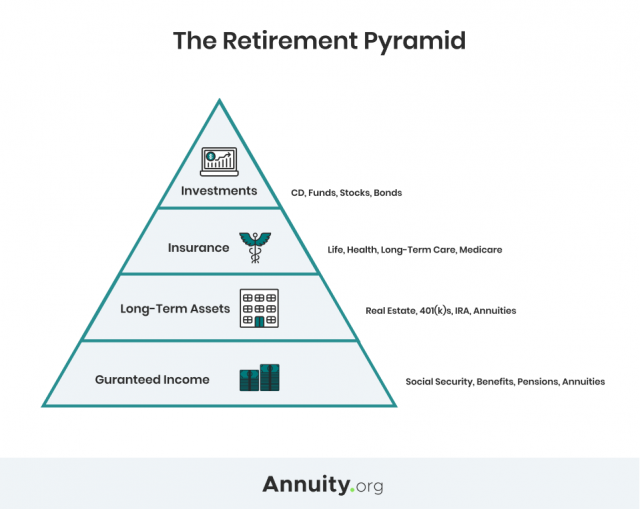
Imagine meticulously crafting your escape from the traditional 9-to-5 grind, diligently saving and investing to achieve financial independence and retire early (FIRE). You've built a nest egg designed to provide for decades of freedom. But have you considered what happens to that hard-earned wealth if the unexpected occurs? Estate planning isn't just for the ultra-rich; it's a crucial step in safeguarding your FIRE dreams and ensuring your loved ones are taken care of.
Many in the FIRE community focus intensely on accumulation, often overlooking the critical aspects of wealth preservation and transfer. The thought of dealing with complex legal documents and confronting mortality can feel daunting, leading to procrastination. This can create significant challenges for loved ones left to navigate probate, taxes, and the distribution of assets without clear guidance.
This article delves into the essential elements of estate planning tailored for the FIRE movement. We'll explore how to protect your assets, minimize taxes, and ensure your wishes are honored, providing peace of mind that your financial independence benefits both you and your beneficiaries.
In summary, achieving FIRE requires more than just accumulating wealth. It also necessitates a robust estate plan that protects your assets, minimizes tax burdens, and ensures your wishes are clearly documented. By addressing key areas like wills, trusts, beneficiary designations, and healthcare directives, you can secure your financial legacy and provide for your loved ones, allowing you to truly enjoy the fruits of your labor with confidence.
Understanding Wills and Trusts for FIRE Adherents
The primary target for this part is to provide a fundamental understanding of wills and trusts and their relevance to the FIRE community, emphasizing how these tools can be tailored to their unique circumstances. It's about demystifying these legal instruments and empowering readers to take proactive steps in securing their financial future.
I remember when my grandfather passed away, he had no will. The whole family was in disarray trying to figure out what to do, and arguing over who got what. It was a really messy and expensive process that took much longer than it should have. That is why I am passionate about estate planning. I never want my family to go through something like that.
Wills and trusts are the cornerstones of any comprehensive estate plan. A will is a legally binding document outlining how you want your assets distributed after your death. It also allows you to name guardians for minor children. For the FIRE community, a will ensures that your carefully accumulated wealth is passed on according to your wishes, preventing potential family disputes and ensuring your legacy is honored.
A trust, on the other hand, is a more versatile tool. It's a legal arrangement where you (the grantor) transfer assets to a trustee, who manages them for the benefit of designated beneficiaries. Trusts can offer numerous advantages, including avoiding probate, minimizing estate taxes, and providing for loved ones with special needs. For FIRE practitioners, trusts can be particularly useful for managing assets during periods of travel or incapacity, or for providing long-term financial support to family members. Different types of trusts exist, such as revocable living trusts, which allow you to maintain control over your assets during your lifetime, and irrevocable trusts, which offer greater tax benefits but less flexibility. Choosing the right type of trust depends on your individual circumstances and goals.
Navigating Beneficiary Designations
Beneficiary designations determine who receives specific assets upon your death, often bypassing the probate process. Common assets with beneficiary designations include retirement accounts (401(k)s, IRAs), life insurance policies, and investment accounts. It is very important for FIRE community members to update their beneficiary designations regularly, especially after life-changing events like marriage, divorce, or the birth of a child. Neglecting to do so can lead to unintended consequences, such as assets going to a former spouse or an outdated beneficiary. For example, imagine a FIRE enthusiast who diligently saved in a 401(k) but never updated the beneficiary designation after getting divorced. Upon their death, the ex-spouse would likely inherit the entire account, potentially disinheriting current family members. This is especially relevant to those with brokerage accounts. Designating TOD beneficiaries on those accounts can save on the expense of creating a trust. Proper beneficiary designations can also simplify the estate administration process, ensuring a smooth transfer of assets to your loved ones.
Healthcare Directives: Planning for Incapacity
While financial planning is crucial, it's equally important to address healthcare decisions. Healthcare directives, also known as advance directives, allow you to specify your wishes regarding medical treatment in case you become incapacitated and unable to make decisions for yourself. These documents typically include a living will and a durable power of attorney for healthcare. A living will outlines your preferences for end-of-life care, such as whether you want to receive artificial nutrition or hydration. A durable power of attorney for healthcare designates someone you trust to make medical decisions on your behalf if you're unable to do so. For FIRE individuals, especially those planning extensive travel or adventurous pursuits, having healthcare directives in place is essential. It ensures that your medical wishes are respected, and that your loved ones aren't burdened with difficult decisions during a stressful time. It's also important to discuss your wishes with your designated healthcare agent so they understand your values and preferences.
The Myth of "I'm Not Rich Enough" for Estate Planning
One of the biggest misconceptions is that estate planning is only for the wealthy. This couldn't be further from the truth. Regardless of your net worth, if you have assets you want to pass on to loved ones, an estate plan is crucial. Even a modest estate can benefit from a simple will, ensuring your wishes are followed and avoiding unnecessary complications for your family. For FIRE individuals, who often have significant savings and investments, estate planning is even more important. It protects your hard-earned wealth and ensures it's used according to your intentions. Without a plan, your assets could be subject to probate, which can be a lengthy and expensive process. Furthermore, estate taxes can erode your wealth if you don't take steps to minimize them. Don't let the myth of "not being rich enough" prevent you from taking this essential step.
Hidden Secrets: Minimizing Estate Taxes for FIRE
Estate taxes can significantly impact your wealth, especially as your assets grow. While the federal estate tax currently has a high exemption threshold, it's essential to understand how it works and explore strategies to minimize its impact. Gifting is one common technique, allowing you to transfer assets to loved ones during your lifetime, reducing the size of your taxable estate. Certain types of trusts, such as irrevocable life insurance trusts (ILITs), can also help minimize estate taxes by removing life insurance proceeds from your taxable estate. Charitable giving is another option, allowing you to support causes you care about while also reducing your tax burden. Working with a qualified estate planning attorney can help you navigate these complex rules and develop a personalized strategy to minimize estate taxes and preserve your wealth for future generations. They can also help you stay up-to-date on any changes to tax laws that could impact your estate plan.
Recommendations: Regularly Reviewing and Updating Your Plan
Estate planning is not a one-time event; it's an ongoing process. Life circumstances change, tax laws evolve, and your financial situation may fluctuate. It's crucial to review and update your estate plan regularly, typically every three to five years, or whenever a significant life event occurs, such as marriage, divorce, birth of a child, or a major change in your financial situation. Failing to update your plan can lead to unintended consequences, such as assets going to the wrong beneficiaries or outdated healthcare directives. By staying proactive and regularly reviewing your plan with an estate planning attorney, you can ensure it continues to meet your needs and reflect your wishes. This also provides an opportunity to address any new concerns or opportunities that may arise.
Understanding Probate and Avoiding It
Probate is the legal process of validating a will and administering the estate of a deceased person. It can be a time-consuming and expensive process, often involving court appearances, legal fees, and delays in distributing assets to beneficiaries. For FIRE individuals seeking to streamline the transfer of wealth, avoiding probate is often a priority. Several strategies can help you avoid probate, including using trusts, beneficiary designations, and joint ownership with rights of survivorship. Transfer-on-death (TOD) designations for investment accounts and payable-on-death (POD) designations for bank accounts are simple ways to transfer assets directly to beneficiaries without probate. By taking these steps, you can simplify the estate administration process and ensure your loved ones receive their inheritance more quickly and efficiently. Minimizing probate can also reduce the stress and burden on your family during a difficult time.
Tips for Effective Estate Planning in the FIRE Community
Several specific tips can help FIRE individuals create an effective estate plan. First, clearly define your goals and objectives. What do you want to achieve with your estate plan? Who do you want to benefit? How do you want your assets to be managed after your death? Second, gather all relevant documents, including your will, trust agreements, insurance policies, and retirement account statements. Third, work with a qualified estate planning attorney who understands the unique needs of the FIRE community. They can provide expert guidance and help you navigate the complex legal and tax issues involved. Fourth, communicate your wishes to your loved ones. This can help avoid misunderstandings and ensure your plan is implemented smoothly. Finally, be prepared to update your plan regularly as your circumstances change. These tips can help you create a comprehensive and effective estate plan that protects your wealth and provides for your loved ones.
The Importance of a Durable Power of Attorney
A durable power of attorney is a legal document that authorizes someone you trust (your agent) to make financial decisions on your behalf if you become incapacitated. This is a critical component of any estate plan, especially for FIRE individuals who may be traveling or living abroad. Without a durable power of attorney, your loved ones may need to go to court to obtain guardianship or conservatorship, which can be a lengthy and expensive process. A durable power of attorney can grant your agent broad or limited powers, depending on your preferences. It can be used to manage your bank accounts, pay bills, sell property, and make investment decisions. It's essential to choose an agent you trust implicitly and to discuss your wishes with them so they understand your values and preferences. This document provides peace of mind knowing that your financial affairs will be handled responsibly if you're unable to do so yourself.
Fun Facts About Estate Planning
Did you know that the oldest known will dates back over 4,000 years to ancient Egypt? Estate planning has been around for centuries, reflecting the universal desire to control the distribution of assets after death. Another interesting fact is that many celebrities have died without a will, leading to lengthy and public legal battles over their estates. This highlights the importance of having a plan in place, regardless of your fame or fortune. Furthermore, some states have unique laws regarding estate planning, such as community property laws, which can impact how assets are divided. Understanding these laws is crucial to creating an effective estate plan. Estate planning is a fascinating field with a rich history and ongoing evolution.
How to Get Started with Your FIRE Estate Plan
Getting started with your FIRE estate plan can seem daunting, but it doesn't have to be. The first step is to take inventory of your assets, including your savings, investments, real estate, and personal property. Next, think about your goals and objectives. Who do you want to benefit from your estate plan? What are your priorities? Then, research estate planning attorneys in your area and schedule consultations. Choose an attorney who is experienced in working with FIRE individuals and who understands your unique needs. Be prepared to discuss your financial situation, your goals, and your concerns. Your attorney will guide you through the process of creating a customized estate plan that meets your specific needs. Remember, starting is the most important step. Don't procrastinate; take action today to protect your wealth and provide for your loved ones.
What If I Don't Have an Estate Plan?
If you die without an estate plan, your assets will be distributed according to your state's intestacy laws. These laws dictate how your property will be divided among your heirs, often based on a predetermined formula. This may not align with your wishes, and it could lead to unintended consequences, such as assets going to individuals you didn't intend to benefit. Furthermore, your estate will be subject to probate, which can be a lengthy and expensive process. Your loved ones may face significant legal and financial challenges in administering your estate. By creating an estate plan, you can avoid these potential problems and ensure your assets are distributed according to your wishes, providing peace of mind for you and your family.
Top 5 Estate Planning Must-Haves for the FIRE Community
Here's a listicle for the FIRE Community:
1.Will or Trust: A cornerstone document outlining your asset distribution wishes.
2.Beneficiary Designations: Updated and accurate for all accounts.
3.Durable Power of Attorney: Designates someone to handle your finances if incapacitated.
4.Healthcare Directives: Specifies your medical preferences.
5.Regular Reviews: Update your plan every 3-5 years or after major life changes.
Question and Answer
Q: What is the biggest mistake FIRE individuals make regarding estate planning?
A: Neglecting to create a plan altogether, assuming it's only for the wealthy or procrastinating due to the perceived complexity.
Q: How often should I review my estate plan?
A: At least every three to five years, or whenever there's a significant life event.
Q: What is the difference between a will and a trust?
A: A will is a document outlining how your assets will be distributed after death, while a trust is a legal arrangement where assets are held and managed by a trustee for the benefit of beneficiaries.
Q: Can I create my own estate plan without an attorney?
A: While it's possible, it's generally not recommended. An attorney can provide expert guidance and ensure your plan is legally sound and tailored to your specific needs.
Conclusion of Estate Planning for FIRE Movement: Protect Your Early Retirement Wealth
Estate planning is an indispensable part of achieving and maintaining FIRE. It's not just about money; it's about ensuring your loved ones are cared for and your legacy is preserved. By proactively addressing key areas like wills, trusts, beneficiary designations, and healthcare directives, you can secure your financial future and enjoy the freedom of early retirement with peace of mind. Don't let procrastination or misconceptions stand in your way. Take action today to protect your wealth and provide for your loved ones, allowing you to truly savor the fruits of your labor.
Post a Comment