FIRE Movement Income Requirements: Minimum Salary to Retire Early
Imagine a life free from the daily grind, where your time is truly your own. Early retirement sounds like a dream, right? But what does it really take to make that dream a reality? Let's explore the financial roadmap of the FIRE movement and discover what income is required to unlock that early retirement lifestyle.
The prospect of escaping the traditional 9-to-5 career path often brings up questions about how much needs to be saved. The thought of endless saving, meticulous budgeting, and potentially depriving yourself of current joys can feel overwhelming. Many wonder if they'll ever truly reach that point of financial independence, or if it's just an unattainable ideal.
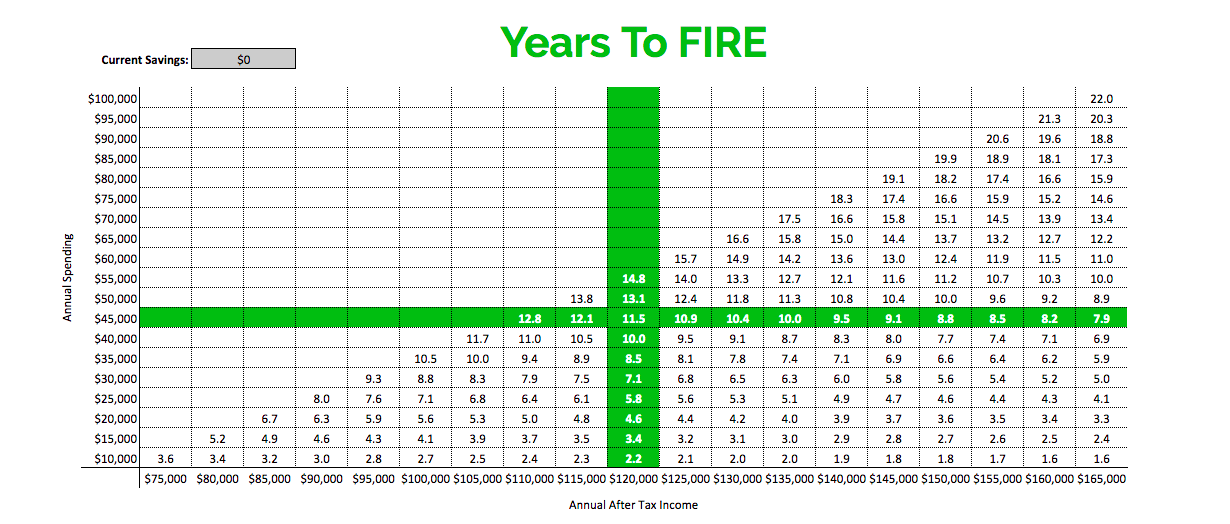
At the heart of the FIRE (Financial Independence, Retire Early) movement lies a deceptively simple equation: your required income directly correlates to your annual expenses. To determine the minimum salary needed to retire early, you first need to calculate your projected annual expenses in retirement. Then, multiply that number by 25. This is based on the 4% rule, which suggests you can safely withdraw 4% of your investments each year without depleting your principal. For example, if you estimate needing $40,000 per year in retirement, you'd need a portfolio of $1,000,000 to achieve FIRE.
In essence, the journey to financial independence and early retirement hinges on understanding your expenses, calculating your required investment portfolio, and diligently saving and investing to reach that target. The 4% rule and the concept of multiplying your annual expenses by 25 are fundamental to this process. The FIRE movement, while seemingly complex, boils down to smart planning, consistent execution, and a clear vision of your desired lifestyle.
Understanding the 4% Rule and Its Impact
The 4% rule is central to FIRE calculations, but what exactly does it mean? It basically states that you can safely withdraw 4% of your investment portfolio each year without running out of money over a 30-year retirement period. This rule is based on historical market data and assumes a balanced portfolio of stocks and bonds. I remember when I first heard about this rule, I was skeptical. Could it really be that simple? But the more I researched, the more I realized the power of this guideline as a starting point. However, it's not without its critics. Some argue that a lower withdrawal rate, like 3% or 3.5%, is more conservative and accounts for market volatility and longer lifespans. It's essential to personalize this rule to your individual circumstances and risk tolerance. A more conservative approach might mean needing a larger portfolio to achieve the same level of annual income. Furthermore, factors like inflation, taxes, and unexpected expenses can impact the sustainability of your withdrawals. Considering these variables is crucial for a successful FIRE journey. Ultimately, the 4% rule provides a framework for planning, but it shouldn't be treated as an absolute guarantee. Regular portfolio reviews and adjustments are key to ensuring your retirement income remains sustainable.
Calculating Your FIRE Number: The Expense Multiplier
The cornerstone of determining your FIRE number lies in understanding your annual expenses. This isn't just about your current spending habits; it's about projecting what your expenses will look like in retirement. Will you downsize your home? Travel more? Have higher healthcare costs? These are crucial considerations. Once you have a realistic estimate of your annual expenses, you multiply that number by 25 (based on the 4% rule). The resulting figure is your FIRE number – the total amount you need to accumulate in investments to retire early. This calculation is based on the idea that your investments will generate enough passive income to cover your expenses without depleting your principal. However, it's important to remember that this is just an estimate. Factors like inflation and market fluctuations can impact the sustainability of your withdrawals. Many FIRE enthusiasts advocate for tracking your spending meticulously to get a clear picture of your current expenses. There are numerous budgeting apps and spreadsheets available to help you with this process. By understanding where your money is going, you can identify areas where you can cut back and save more. Ultimately, calculating your FIRE number is a personal exercise that requires careful consideration of your individual circumstances and financial goals.
The History and Evolution of the FIRE Movement
The FIRE movement isn't exactly new, but it has gained significant traction in recent years. The concept of early retirement and financial independence has been around for decades, but it was popularized in the 1990s with books like "Your Money or Your Life" by Vicki Robin and Joe Dominguez. These authors advocated for a lifestyle of frugality and mindful spending as a path to financial freedom. The internet age has further fueled the FIRE movement, with online communities and blogs sharing tips, strategies, and personal stories of achieving early retirement. However, the FIRE movement is not without its critics. Some argue that it's only accessible to high-income earners or those willing to make extreme sacrifices. Others question the sustainability of the 4% rule and the impact of market volatility on retirement portfolios. Despite these criticisms, the FIRE movement has resonated with many who are seeking an alternative to the traditional career path. It offers a vision of a life where work is optional and time is spent on pursuing passions and interests. The FIRE movement has evolved over time, with different approaches and philosophies emerging. Some embrace a minimalist lifestyle, while others focus on generating multiple income streams to accelerate their path to financial independence. Ultimately, the FIRE movement is a diverse and evolving community that offers a range of strategies for achieving financial freedom and early retirement.
Unveiling the Hidden Secrets of FIRE
While the core principles of FIRE (Financial Independence, Retire Early) seem straightforward—save aggressively, invest wisely, and live frugally—there are nuances and often unspoken aspects that can significantly impact your success. One of the most understated elements is the importance of lifestyle design. It's not just about cutting expenses; it's about creating a fulfilling life that doesn't require excessive spending. Many people equate retirement with endless travel and luxurious experiences, but true FIRE often involves finding joy in simpler, less expensive pursuits. Another secret lies in the power of side hustles and passive income. While a high salary can certainly accelerate your FIRE journey, generating additional income streams can provide a safety net and allow you to reach your goals faster. This could involve freelancing, starting an online business, or investing in rental properties. Furthermore, the FIRE movement often overlooks the psychological aspects of financial independence. The transition from a structured work life to the freedom of early retirement can be challenging for some. It's essential to have a plan for how you'll spend your time and maintain a sense of purpose. Finally, it's crucial to remember that FIRE is a personal journey. There's no one-size-fits-all approach, and what works for one person may not work for another. The key is to tailor the FIRE principles to your individual circumstances, values, and goals.
Recommendations for Embarking on Your FIRE Journey
If you're intrigued by the FIRE movement and considering embarking on your own path to financial independence, there are several recommendations to keep in mind. First and foremost, start with a clear understanding of your finances. Track your income, expenses, and net worth to get a baseline of your current financial situation. This will allow you to set realistic goals and develop a plan to achieve them. Next, prioritize saving and investing. Aim to save at least 15% of your income, and consider increasing that percentage as you progress on your FIRE journey. Invest your savings in a diversified portfolio of stocks, bonds, and other assets to maximize your returns while managing risk. Don't be afraid to seek professional financial advice if you're unsure how to invest your money. Another key recommendation is to focus on optimizing your spending. Identify areas where you can cut back on unnecessary expenses and redirect those savings towards your FIRE goals. This doesn't necessarily mean sacrificing all enjoyment in life, but rather being mindful of your spending and prioritizing experiences over material possessions. Finally, build a strong support system. Connect with other FIRE enthusiasts online or in person to share tips, strategies, and encouragement. Surrounding yourself with like-minded individuals can help you stay motivated and on track towards achieving your financial independence goals. Remember, the FIRE journey is a marathon, not a sprint. Be patient, persistent, and adaptable, and you'll be well on your way to achieving financial freedom and early retirement.
Key Strategies for Minimizing Expenses
One of the most effective ways to accelerate your FIRE journey is to minimize your expenses. This doesn't necessarily mean living a life of deprivation, but rather being mindful of your spending and making conscious choices about where your money goes. Start by tracking your expenses for a month or two to identify areas where you're overspending. Look for opportunities to cut back on non-essential items, such as dining out, entertainment, and subscription services. Consider downsizing your home or car to reduce your housing and transportation costs. Another strategy for minimizing expenses is to negotiate lower rates on your bills, such as insurance, internet, and phone services. Shop around for the best deals and don't be afraid to switch providers if you can find a better price. Additionally, embrace a minimalist lifestyle by decluttering your home and getting rid of items you no longer need or use. This can not only save you money but also reduce stress and improve your overall well-being. Finally, focus on building skills that can help you save money, such as cooking, home repair, and gardening. By learning to do things yourself, you can avoid paying for expensive services and take control of your finances. Remember, every dollar you save is a dollar you can invest towards your FIRE goals.
Actionable Tips for Increasing Your Income
While minimizing expenses is crucial, increasing your income is equally important for accelerating your FIRE journey. A higher income allows you to save and invest more aggressively, bringing you closer to your financial independence goals. Start by exploring opportunities to increase your income in your current job. This could involve asking for a raise, taking on additional responsibilities, or pursuing professional development opportunities to enhance your skills and qualifications. Consider starting a side hustle to generate additional income outside of your primary job. This could involve freelancing, consulting, or starting an online business. Look for opportunities to leverage your existing skills and interests to create a revenue stream. Another tip is to invest in yourself by acquiring new skills and knowledge. This could involve taking online courses, attending workshops, or reading books related to your field or industry. By continuously improving your skills, you can increase your earning potential and open up new opportunities. Finally, consider investing in income-generating assets, such as rental properties or dividend-paying stocks. These assets can provide a passive income stream that can supplement your savings and accelerate your progress towards FIRE. Remember, increasing your income is a long-term strategy that requires effort and dedication. Be patient, persistent, and proactive, and you'll be well on your way to achieving your financial goals.
Understanding Different FIRE Strategies: Lean FIRE vs. Fat FIRE
The FIRE movement encompasses various strategies, each tailored to individual preferences and circumstances. Two prominent approaches are Lean FIRE and Fat FIRE. Lean FIRE emphasizes extreme frugality and minimizing expenses to achieve financial independence with a smaller investment portfolio. This strategy often involves living a minimalist lifestyle, making significant sacrifices in spending, and prioritizing early retirement above all else. Lean FIRE is attractive to those who are willing to live frugally in exchange for the freedom of early retirement. On the other hand, Fat FIRE focuses on achieving financial independence with a larger investment portfolio, allowing for a more comfortable and luxurious retirement lifestyle. This strategy typically involves earning a higher income, saving and investing aggressively, and maintaining a more moderate level of frugality. Fat FIRE is appealing to those who want to enjoy a higher standard of living in retirement without sacrificing their financial independence. The choice between Lean FIRE and Fat FIRE depends on your individual preferences, values, and financial goals. There's no right or wrong answer, and you can even adopt a hybrid approach that combines elements of both strategies. Ultimately, the key is to choose a FIRE strategy that aligns with your lifestyle and allows you to achieve your desired level of financial independence and early retirement.
Fun Facts About the FIRE Movement
Did you know that the FIRE (Financial Independence, Retire Early) movement has its own unique jargon and terminology? For example, "coast FIRE" refers to reaching a point where you no longer need to actively save for retirement because your existing investments are projected to grow enough to cover your future expenses. Another fun fact is that the FIRE movement has spawned a subculture of digital nomads who travel the world while living off their investment income. These individuals often embrace a minimalist lifestyle and leverage remote work opportunities to sustain their travels. The FIRE movement has also been credited with inspiring a greater awareness of financial literacy and responsible money management among younger generations. Many millennials and Gen Z individuals are actively pursuing FIRE as a way to escape the traditional 9-to-5 grind and achieve greater control over their lives. Despite its growing popularity, the FIRE movement is still relatively niche, with only a small percentage of the population actively pursuing financial independence and early retirement. However, its influence is growing, and it's likely to continue to shape the way people think about work, money, and retirement in the years to come. The FIRE movement is not just about achieving financial freedom; it's also about creating a more fulfilling and meaningful life. By prioritizing their values and passions, FIRE enthusiasts are redefining the traditional definition of success and creating a new model for living.
How to Stay Motivated on Your FIRE Journey
The path to FIRE (Financial Independence, Retire Early) can be a long and challenging one, requiring discipline, sacrifice, and unwavering commitment. Staying motivated throughout the journey is crucial for achieving your goals. One of the most effective ways to stay motivated is to visualize your ideal retirement lifestyle. Create a vision board or write a detailed description of how you want to spend your time, what activities you want to pursue, and where you want to live. This will serve as a constant reminder of why you're working towards FIRE and help you stay focused on your goals. Another tip is to celebrate your progress along the way. Set milestones and reward yourself when you reach them. This could involve treating yourself to a small luxury, taking a weekend getaway, or simply acknowledging your accomplishments with friends and family. Remember to connect with other FIRE enthusiasts. Join online communities, attend local meetups, or start your own FIRE support group. Sharing your experiences, challenges, and successes with like-minded individuals can provide valuable encouragement and motivation. Don't be afraid to adjust your FIRE plan as needed. Life circumstances change, and your goals may evolve over time. Be flexible and willing to adapt your strategy to ensure it remains aligned with your current priorities and values. Finally, remember that the FIRE journey is not just about reaching a destination; it's also about enjoying the process. Focus on finding joy in the present moment, cultivating gratitude, and appreciating the simple things in life. By incorporating these elements into your daily routine, you can stay motivated and energized throughout your FIRE journey.
What If You Don't Reach Your FIRE Number?
Despite your best efforts, there's always a possibility that you may not reach your FIRE (Financial Independence, Retire Early) number as planned. Market downturns, unexpected expenses, or changes in your life circumstances can all impact your progress towards financial independence. However, this doesn't mean that all is lost. There are several options you can consider if you fall short of your FIRE goals. One option is to adjust your retirement timeline. Consider working a few extra years to save more money and allow your investments to grow. This can significantly increase your chances of achieving financial independence. Another option is to reduce your retirement expenses. Look for ways to cut back on your spending and simplify your lifestyle. This could involve downsizing your home, moving to a lower-cost area, or finding cheaper ways to entertain yourself. Consider generating additional income streams during retirement. This could involve working part-time, freelancing, or starting a small business. Even a small amount of income can help supplement your savings and reduce your reliance on your investment portfolio. Finally, re-evaluate your definition of retirement. Perhaps you don't need to completely stop working. Consider transitioning to a more flexible or fulfilling job that aligns with your passions and values. The key is to be adaptable and creative in finding solutions that work for your individual circumstances. Remember, financial independence is a journey, not a destination. Even if you don't reach your original FIRE number, you can still achieve a fulfilling and financially secure retirement.
Top 5 Mistakes to Avoid on Your FIRE Journey
The FIRE (Financial Independence, Retire Early) journey is fraught with potential pitfalls that can derail your progress and delay your achievement of financial freedom. Here are five common mistakes to avoid:
- Neglecting to Track Your Expenses: It's impossible to make informed financial decisions if you don't know where your money is going. Meticulously track your expenses to identify areas where you can cut back and save more.
- Failing to Create a Budget: A budget is a roadmap for your money. It helps you prioritize your spending, allocate your resources, and stay on track towards your FIRE goals.
- Ignoring the Impact of Taxes: Taxes can significantly impact your investment returns and retirement income. Develop a tax-efficient investment strategy and consult with a tax professional to minimize your tax burden.
- Taking on Too Much Risk: While investing is essential for achieving FIRE, it's important to manage your risk tolerance. Avoid speculative investments and focus on building a diversified portfolio of stocks, bonds, and other assets.
- Trying to Time the Market: Market timing is a losing game. Instead of trying to predict market fluctuations, focus on investing consistently over the long term.
By avoiding these common mistakes, you can increase your chances of successfully navigating the FIRE journey and achieving your financial independence goals.
Question and Answer Section
Q: What if the stock market crashes after I retire early?
A: Market crashes are a part of investing. Having a well-diversified portfolio and a withdrawal strategy that allows flexibility during downturns is key. Some FIRE followers suggest having a cash buffer for a few years of expenses.
Q: Is the FIRE movement only for high-income earners?
A: While a high income can accelerate the process, FIRE is accessible to anyone willing to make lifestyle changes and prioritize saving. Frugality and smart investing are more important than a high salary.
Q: How can I factor in healthcare costs when calculating my FIRE number?
A: Research healthcare options and estimate potential costs, including insurance premiums, deductibles, and out-of-pocket expenses. It's wise to overestimate this cost to have a financial safety net.
Q: What if I enjoy my job? Does FIRE still make sense?
A: FIRE is about financial independence, not necessarily retirement. You can achieve FIRE and continue working because you enjoy it, not because you need the income. This provides flexibility and options.
Conclusion of FIRE Movement Income Requirements: Minimum Salary to Retire Early
The FIRE movement presents an appealing path to financial freedom and early retirement, but achieving it requires diligent planning, consistent execution, and a clear understanding of your financial landscape. By calculating your FIRE number, minimizing expenses, increasing income, and staying motivated, you can increase your chances of successfully reaching your financial goals. Remember that FIRE is a personal journey, and the specific strategies you adopt should be tailored to your individual circumstances and values. While the minimum salary required varies depending on your lifestyle and expenses, the core principles of saving, investing, and living intentionally remain constant. Ultimately, the FIRE movement empowers individuals to take control of their finances and design a life that aligns with their passions and priorities.
Post a Comment