FIRE Movement Roth IRA: Tax-Free Growth for Early Retirement Success
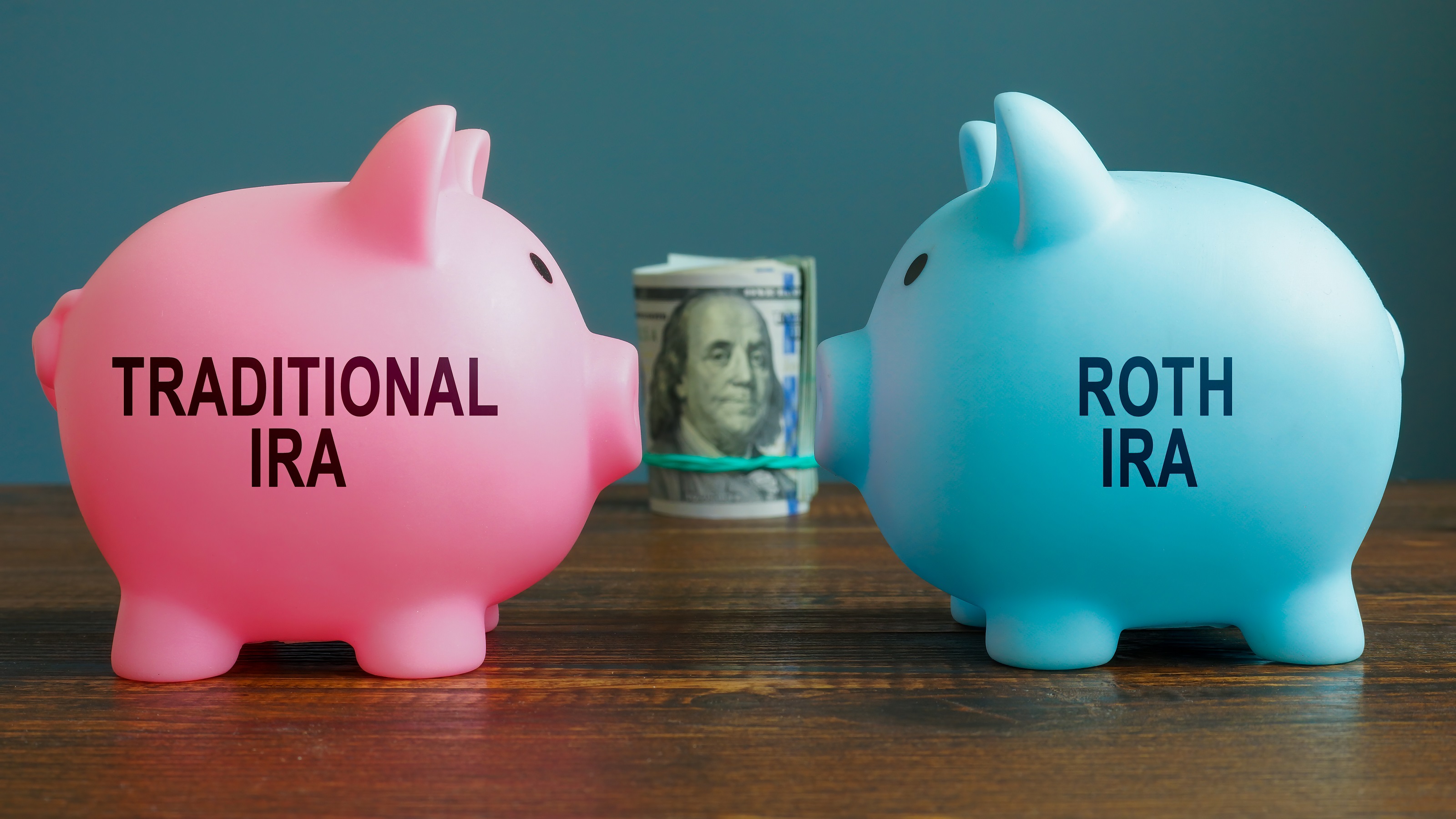
Imagine a future where you're financially independent, living life on your own terms, and decades away from traditional retirement age. Sounds like a dream, right? Well, it's the core principle of the FIRE (Financial Independence, Retire Early) movement. And a Roth IRA might just be your secret weapon to get there, offering the potential for tax-free growth that can significantly accelerate your journey.
Pursuing early retirement can feel daunting. Navigating complex investment strategies, understanding tax implications, and ensuring you have enough savings to last can be overwhelming. Many people struggle with knowing where to start, which investment vehicles are most advantageous, and how to balance aggressive savings with enjoying life today.
This blog post dives deep into how a Roth IRA can be a powerful tool for those pursuing FIRE. We'll explore the benefits of tax-free growth, contribution limits, withdrawal rules, and strategies for maximizing your Roth IRA within the context of a FIRE plan. We'll also debunk common myths and provide practical tips to help you achieve your early retirement goals.
In this guide, we'll uncover the power of the Roth IRA within the FIRE movement, highlighting the advantages of tax-free growth and withdrawals, contribution strategies, and essential considerations for early retirees. We'll delve into the history and myths surrounding Roth IRAs, reveal hidden secrets for maximizing their potential, and offer actionable recommendations to supercharge your FIRE journey. Get ready to unlock the full potential of your Roth IRA and pave the way for a financially independent future.
The Power of Tax-Free Growth in a Roth IRA
I'll never forget the moment I truly grasped the significance of tax-free growth. I was sitting with a financial advisor, poring over projections for my retirement savings. He pointed out how the taxes on my traditional investments would significantly erode my returns over time. Then, he showed me the potential of a Roth IRA – the magic of letting your investments grow completely tax-free, and withdrawing them tax-free in retirement. It was a game-changer. It felt like I was unlocking a secret weapon. Suddenly, early retirement seemed much more attainable. The power of tax-free growth cannot be overstated, especially when you're aiming for FIRE. Every dollar you save in taxes is a dollar that stays in your account, compounding and growing over time. This is particularly beneficial for aggressive growth strategies often employed by those seeking early retirement.
The FIRE movement encourages a high savings rate and strategic investing, and the Roth IRA fits perfectly into this framework. Imagine contributing consistently to a Roth IRA in your 20s and 30s, investing in growth stocks or ETFs, and then decades later, withdrawing those funds completely tax-free during your early retirement. The compounding effect, combined with the absence of taxes, can be truly transformative. It's not just about saving more; it's about saving smarter, and the Roth IRA provides a powerful avenue for doing just that.
Understanding Roth IRA Contribution Limits
The Roth IRA, a retirement savings account offering tax advantages, is a powerful tool in the FIRE movement, but it's important to understand its contribution limits. Contribution limits are the maximum amount you can contribute to your Roth IRA each year, as determined by the IRS. For 2024, the contribution limit is $7,000 if you're under age 50, and $8,000 if you're age 50 or older. It's important to stay updated on any changes to these limits, as they can fluctuate annually.
Remember that the amount you can contribute may also be affected by your income. Roth IRA contributions are phased out for individuals with higher incomes, so make sure you meet the income requirements for the year you are contributing. For 2024, the phase-out range for single filers is between $146,000 and $161,000. For those married filing jointly, it's between $230,000 and $240,000. If your income exceeds these limits, you may not be able to contribute directly to a Roth IRA, but don't worry.
There are still options! The backdoor Roth IRA strategy allows high-income earners to contribute to a traditional IRA and then convert it to a Roth IRA. However, be aware of the potential tax implications of the conversion, such as the pro-rata rule, which could affect the tax-free status of your Roth IRA earnings. Understanding and adhering to the Roth IRA contribution limits is essential for maximizing its benefits in your FIRE journey. Don't leave money on the table, but make sure you're playing by the rules.
The History and Myths of Roth IRAs
The Roth IRA, named after Senator William Roth Jr., was established in 1997 as part of the Taxpayer Relief Act. Its creation aimed to provide a new avenue for retirement savings with distinct tax advantages. Unlike traditional IRAs, contributions to a Roth IRA are made with after-tax dollars, but the earnings and withdrawals in retirement are tax-free, offering a unique benefit for those expecting to be in a higher tax bracket later in life. Over the years, the Roth IRA has gained immense popularity, becoming a cornerstone of retirement planning for millions of Americans.
However, along with its rise in prominence, several myths have emerged, clouding its true potential. One common myth is that Roth IRAs are only suitable for young people. While younger individuals may benefit more from the long-term compounding of tax-free growth, Roth IRAs can be advantageous for anyone looking to diversify their tax strategy in retirement. Another myth is that Roth IRAs are only for those with modest incomes. While there are income limits for direct contributions, the backdoor Roth IRA strategy provides a workaround for high-income earners to still participate.
Another myth surrounds the idea that Roth IRAs are only suitable for conservative investors. While Roth IRAs can accommodate various investment styles, their tax-free nature makes them particularly attractive for growth-oriented investments, which have the potential to generate higher returns over time. By dispelling these myths and understanding the true history and purpose of the Roth IRA, individuals can make more informed decisions about incorporating it into their FIRE strategy.
Unlocking the Hidden Secrets of Roth IRA
Beyond the basic understanding of Roth IRA contributions and tax-free growth, lies a realm of hidden secrets that can further amplify its benefits for FIRE enthusiasts. One such secret is the strategic use of Roth IRA conversions. Converting a portion of your traditional IRA or 401(k) to a Roth IRA can be a powerful way to minimize your future tax burden, especially during periods of low income or market downturns. However, it's crucial to carefully assess the tax implications of the conversion and ensure that you have the funds available to pay the taxes due.
Another hidden secret lies in the power of recharacterization. While Roth IRA recharacterization was eliminated for conversions made after 2017, it's still relevant for contributions. If you contribute to a Roth IRA and later realize that your income exceeds the eligibility limits, you can recharacterize the contribution as a traditional IRA contribution. This allows you to avoid the penalties associated with excess Roth IRA contributions and maintain your eligibility for a tax deduction on your traditional IRA contribution.
Furthermore, the flexibility of Roth IRA withdrawals offers another hidden advantage. While qualified withdrawals in retirement are tax-free and penalty-free, you can also withdraw your contributions at any time, for any reason, without penalty. This can provide a valuable source of emergency funds without jeopardizing your retirement savings. Unlocking these hidden secrets requires careful planning and a deep understanding of the Roth IRA rules, but the potential rewards can be substantial for those seeking financial independence and early retirement.
Recommendations for FIRE Movement and Roth IRA
For those pursuing FIRE, a Roth IRA is a highly recommended tool, but it's crucial to use it strategically. First, prioritize maxing out your Roth IRA contributions each year, especially during your high-earning years. This allows you to take full advantage of the tax-free growth potential and accelerate your progress towards financial independence. If your income exceeds the Roth IRA contribution limits, explore the backdoor Roth IRA strategy. This involves contributing to a traditional IRA and then converting it to a Roth IRA.
Second, diversify your Roth IRA investments. Don't put all your eggs in one basket. Allocate your investments across a mix of stocks, bonds, and real estate to mitigate risk and maximize potential returns. Consider investing in low-cost index funds or ETFs that track the overall market, or work with a financial advisor to create a customized investment portfolio that aligns with your risk tolerance and financial goals.
Third, reevaluate your Roth IRA strategy regularly. Your financial situation, risk tolerance, and retirement goals may change over time, so it's important to adjust your Roth IRA investments and contributions accordingly. Consider consulting with a financial advisor to help you stay on track and make informed decisions about your Roth IRA. By following these recommendations, you can leverage the power of the Roth IRA to achieve your FIRE goals and create a financially secure future.
Aggressive Investing Strategies Within a Roth IRA
Within the tax-advantaged confines of a Roth IRA, FIRE enthusiasts often employ aggressive investing strategies to accelerate their wealth accumulation. This approach typically involves a higher allocation to growth stocks or ETFs, with the goal of generating substantial returns over the long term. While aggressive investing can be riskier, the tax-free nature of the Roth IRA can help to cushion the impact of potential losses.
One popular strategy is to invest in small-cap or emerging market stocks, which have the potential for higher growth but also come with greater volatility. Another strategy is to invest in sector-specific ETFs, such as technology or healthcare, which can provide targeted exposure to high-growth industries. However, it's important to carefully research and understand the risks associated with these investments before committing your funds.
Another aggressive strategy is to use leverage within your Roth IRA. This involves borrowing money to invest in more assets, with the hope of amplifying your returns. However, leverage can also magnify your losses, so it's crucial to use it cautiously and only with a thorough understanding of the risks involved. Options trading is another aggressive strategy that some FIRE enthusiasts use within their Roth IRA. Options can provide the potential for high returns, but they also come with a significant risk of loss, so it's essential to have a solid understanding of options trading before engaging in this strategy. Remember, aggressive investing is not for everyone, and it's important to carefully consider your risk tolerance and financial goals before pursuing this approach within your Roth IRA.
Tips for Maximizing Your Roth IRA Potential
To truly harness the full power of your Roth IRA for FIRE, consider these valuable tips. First, start early and contribute consistently. The earlier you start investing, the more time your money has to grow, and the more significant the impact of compounding. Even small contributions made consistently over time can add up to a substantial sum. Set up automatic contributions to your Roth IRA to ensure that you're consistently investing and taking advantage of dollar-cost averaging.
Second, rebalance your portfolio regularly. As your investments grow, your asset allocation may drift away from your target allocation. Rebalancing involves selling some of your winning investments and buying more of your losing investments to bring your portfolio back into balance. This helps to maintain your desired risk level and maximize your potential returns.
Third, consider using a Roth IRA for estate planning purposes. Roth IRAs can be a tax-efficient way to pass wealth on to your heirs. Since Roth IRA withdrawals are tax-free, your heirs won't have to pay taxes on the inherited assets. You can also name a trust as the beneficiary of your Roth IRA, which can provide additional control over how the assets are distributed.
Fourth, be aware of the Roth IRA withdrawal rules. While you can withdraw your contributions at any time without penalty, qualified withdrawals of earnings in retirement must meet certain requirements. To be considered qualified, the withdrawals must be made after age 59 1/2 and after the Roth IRA has been open for at least five years. Non-qualified withdrawals may be subject to taxes and penalties, so it's important to understand the rules before making any withdrawals.
Understanding the Five-Year Rule for Roth IRA Withdrawals
The five-year rule is a crucial aspect of Roth IRA withdrawals that FIRE enthusiasts need to understand. This rule determines when your withdrawals of earnings from your Roth IRA will be considered qualified, meaning they are tax-free and penalty-free. The five-year rule has two components: one for contributions and one for conversions. For contributions, the five-year clock starts on January 1 of the year you make your first Roth IRA contribution. For conversions, a separate five-year clock starts for each conversion you make from a traditional IRA or 401(k) to a Roth IRA.
It's important to note that the five-year rule applies only to withdrawals of earnings, not to withdrawals of contributions. You can withdraw your contributions at any time, for any reason, without penalty. However, if you withdraw earnings before meeting the five-year rule, those earnings will be subject to taxes and a 10% penalty if you're under age 59 1/2. There are a few exceptions to the penalty, such as withdrawals for qualified education expenses, first-time home purchases, or death or disability.
The five-year rule can be particularly relevant for those planning to retire early. If you plan to start withdrawing from your Roth IRA before age 59 1/2, you need to be mindful of the five-year rule to avoid unnecessary taxes and penalties. Consider making your first Roth IRA contribution or conversion at least five years before you plan to start withdrawing earnings. Understanding and planning for the five-year rule is essential for maximizing the tax benefits of your Roth IRA and achieving your FIRE goals.
Fun Facts About Roth IRAs
Did you know that the Roth IRA is named after Senator William Roth Jr., who introduced the legislation that created it in 1997? The Roth IRA was designed to provide a new way for Americans to save for retirement, with the unique benefit of tax-free withdrawals in retirement. Another fun fact is that there is no required minimum distribution (RMD) for Roth IRAs during your lifetime. This means that you don't have to start taking withdrawals from your Roth IRA at age 73, as you do with traditional IRAs and 401(k)s. This can be a significant advantage for those who want to leave their Roth IRA assets to their heirs.
Another interesting fact is that Roth IRAs can be used to invest in a wide range of assets, including stocks, bonds, mutual funds, ETFs, and even real estate. This flexibility allows you to create a diversified investment portfolio that aligns with your risk tolerance and financial goals. However, it's important to be aware of the rules and regulations surrounding Roth IRA investments, as some types of investments may be prohibited or subject to certain restrictions.
Finally, did you know that Roth IRAs can be a powerful tool for estate planning? Roth IRA assets can be passed on to your heirs tax-free, making them a valuable asset to leave behind. You can also name a trust as the beneficiary of your Roth IRA, which can provide additional control over how the assets are distributed. These fun facts highlight the versatility and potential benefits of Roth IRAs, making them an essential tool for FIRE enthusiasts.
How to Incorporate a Roth IRA into Your FIRE Plan
Integrating a Roth IRA into your FIRE plan requires a strategic approach. First, determine your target FIRE number, which is the amount of savings you'll need to cover your living expenses in retirement. Then, calculate how much you'll need to save each year to reach your FIRE number, taking into account your current savings, investment returns, and the number of years until you plan to retire. Prioritize maxing out your Roth IRA contributions each year, as this is a tax-advantaged way to accelerate your progress towards financial independence.
Next, develop an investment strategy that aligns with your risk tolerance and financial goals. Consider investing in a mix of stocks, bonds, and real estate, and rebalance your portfolio regularly to maintain your desired asset allocation. You can also use your Roth IRA to invest in alternative assets, such as real estate or private equity, but be aware of the risks and regulations associated with these investments.
Also, factor in the Roth IRA withdrawal rules into your FIRE plan. Plan when to start withdrawing from your Roth IRA, keeping in mind the five-year rule and the age requirement of 59 1/2 for qualified withdrawals of earnings. If you plan to retire before age 59 1/2, explore strategies for accessing your retirement savings without penalty, such as the Roth IRA contribution withdrawal rule or the Substantially Equal Periodic Payments (SEPP) rule. Regularly monitor your progress and adjust your FIRE plan as needed. Your financial situation, risk tolerance, and retirement goals may change over time, so it's important to stay flexible and adapt your plan accordingly.
What If You Can't Max Out Your Roth IRA Contributions?
Life happens, and sometimes it's not possible to max out your Roth IRA contributions. Don't get discouraged! Even contributing a smaller amount to your Roth IRA is better than contributing nothing at all. Every dollar you invest in a Roth IRA has the potential to grow tax-free, so any contribution you make can help you reach your FIRE goals sooner. If you can't max out your contributions, prioritize contributing as much as you can afford.
Consider automating your contributions to make saving easier. Set up automatic transfers from your checking account to your Roth IRA each month, even if it's just a small amount. This can help you stay consistent with your savings and avoid the temptation to spend the money on other things. Also, look for ways to increase your income or reduce your expenses. Could you start a side hustle to earn extra money? Could you cut back on unnecessary expenses to free up more cash for savings?
Re-evaluate your budget and find ways to optimize your spending. Every little bit counts! Remember, saving for FIRE is a marathon, not a sprint. It's okay to take small steps and make progress at your own pace. Stay focused on your goals, and don't give up. Even if you can't max out your Roth IRA contributions every year, you can still achieve financial independence and early retirement with consistent effort and strategic planning. And don't forget, you can always "catch up" in future years if your income increases or your expenses decrease.
Listicle: 5 Reasons Why a Roth IRA is Your FIRE Fuel
1. Tax-Free Growth: Watch your investments flourish without the drag of annual taxes. Every gain is yours to keep and reinvest, accelerating your journey to FIRE.
- Tax-Free Withdrawals: Enjoy your hard-earned savings in retirement without owing a dime in taxes. This provides predictability and control over your income stream.
- Flexibility: Access your contributions penalty-free at any time. This provides a safety net and peace of mind, knowing you have access to your funds in case of an emergency.
- No Required Minimum Distributions (RMDs): Unlike traditional IRAs, Roth IRAs don't force you to take withdrawals at a certain age. Your money continues to grow tax-free for as long as you like.
- Estate Planning Benefits: Pass on your tax-free Roth IRA assets to your heirs. This can be a valuable way to leave a lasting legacy and provide financial security for your loved ones.
Question and Answer
Q: What is the main benefit of using a Roth IRA for FIRE?
A: The primary advantage is the tax-free growth and withdrawals. Your investments grow without being taxed each year, and when you withdraw the money in retirement, it's completely tax-free, providing a significant boost to your overall retirement income.
Q: Can anyone contribute to a Roth IRA?
A: While there are income limits, many individuals are eligible to contribute. If your income is too high for direct contributions, you can explore the backdoor Roth IRA strategy.
Q: What happens if I withdraw earnings before age 59 1/2?
A: Generally, withdrawals of earnings before age 59 1/2 are subject to taxes and a 10% penalty. However, there are exceptions, such as withdrawals for qualified education expenses or first-time home purchases. It's best to consult a tax advisor for personalized guidance.
Q: How often should I review my Roth IRA investments?
A: It's recommended to review your Roth IRA investments at least annually, or more frequently if there are significant changes in your financial situation or market conditions. Regular reviews help ensure your portfolio remains aligned with your goals and risk tolerance.
Conclusion of FIRE Movement Roth IRA: Tax-Free Growth for Early Retirement Success
The Roth IRA stands as a powerful ally for those embarking on the FIRE journey. Its unique ability to offer tax-free growth and withdrawals makes it an invaluable tool for accelerating wealth accumulation and ensuring a secure financial future. By understanding the contribution limits, withdrawal rules, and strategic investment options, you can unlock the full potential of the Roth IRA and pave the way for early retirement success. Embrace the power of tax-free growth, and watch your financial dreams become a reality.
Post a Comment