Grocery Shopping for FIRE Movement: Personal Shopping Services
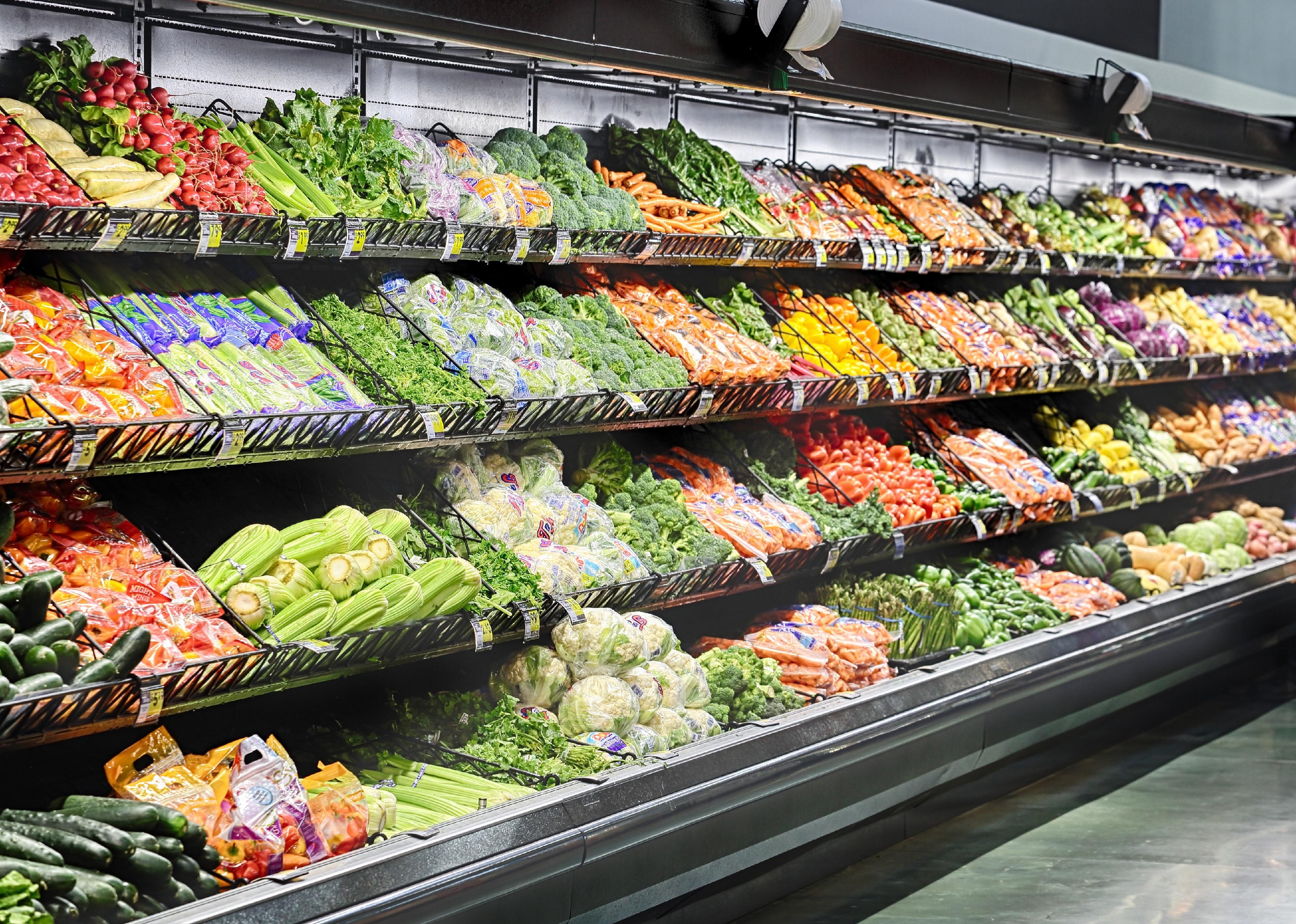
Imagine reclaiming hours each week, not by some productivity hack, but by completely outsourcing the grocery grind. For those pursuing FIRE (Financial Independence, Retire Early), every minute and every dollar counts. But what if you could save both, without sacrificing healthy eating habits? That's where the world of personal grocery shopping services comes into play.
Sticking to a FIRE-focused budget often means sacrificing convenience. We meticulously compare prices, clip coupons, and plan meals to minimize expenses. Grocery shopping, while essential, becomes a time-consuming chore. Balancing work, side hustles, and investment research leaves little room for browsing aisles and waiting in checkout lines. The temptation to grab quick (and often pricier) takeout looms large when time is scarce, threatening our financial goals.
This article explores how personal grocery shopping services can be a surprising ally in your FIRE journey. We'll delve into the various options available, from traditional grocery stores offering delivery to specialized personal shoppers who cater to specific dietary needs and budgets. We'll examine the costs and benefits, helping you determine if outsourcing this task aligns with your FIRE strategy and frees up valuable time for other wealth-building activities.
In short, we're investigating whether delegating grocery shopping, through personal shopping services or delivery, can be a smart move on the path to Financial Independence, Retire Early (FIRE). We'll cover the different service types, costs, time savings, and how to align them with your budget and lifestyle. Keywords we'll touch on include: grocery delivery, personal shopper, FIRE movement, financial independence, time management, budget, meal planning.
My Personal Experience with Grocery Delivery and FIRE
Like many on the FIRE path, I initially dismissed grocery delivery as an unnecessary expense. I was convinced I could save more money by doing it myself. I envisioned myself as a coupon-clipping, price-comparison ninja, squeezing every last penny out of my grocery budget. However, the reality was far different. After a long day at work, followed by an evening of side hustling, the last thing I wanted to do was brave the grocery store crowds. I often ended up making impulse purchases or grabbing takeout simply because I was too tired to cook. This behavior directly undermined my FIRE goals. One week, after realizing I’d spent almost $100 on impulse purchases (mostly snacks and ready-made meals), I decided to try a grocery delivery service. The initial cost seemed higher than my usual grocery bill. But after a few weeks, I noticed a significant shift. Because I was planning meals in advance and sticking to a pre-determined list, my impulse buys disappeared. Plus, the two hours I saved each week went towards additional freelance work, ultimately offsetting the delivery fee. The key was to carefully select the service and utilize it strategically, focusing on bulk purchases of staple items and sticking to my carefully planned meal list. The benefits weren't just financial either; the reduced stress and extra free time improved my overall well-being, making the FIRE journey feel more sustainable.
What Are Personal Grocery Shopping Services?
Personal grocery shopping services are essentially exactly what they sound like: a service where someone else does your grocery shopping for you. This can range from simply ordering groceries online from a major supermarket for delivery, to hiring a dedicated personal shopper who will hand-pick your produce, navigate dietary restrictions, and even compare prices at multiple stores on your behalf. The level of service varies widely, as do the associated costs. Online grocery delivery services, like Instacart or the delivery options offered by stores like Kroger or Walmart, are typically less expensive but offer less personalization. These services allow you to order online or through an app and have your groceries delivered to your door, often within a few hours. A personal shopper, on the other hand, might be an independent contractor or work for a smaller, more specialized company. These shoppers offer a more tailored experience, taking into account your specific needs and preferences. They can accommodate special requests, such as selecting the ripest avocados or finding specific brands of organic products. For those pursuing FIRE, understanding the nuances of each type of service is crucial. It's about finding the sweet spot between convenience, cost, and the value of your time.
History and Myth of Grocery Shopping and FIRE
The concept of grocery shopping has evolved dramatically over time. Initially, it was a daily task, requiring trips to local markets and specialized shops for different ingredients. The rise of supermarkets in the 20th century streamlined the process, offering a one-stop shop for all grocery needs. The introduction of online grocery shopping and delivery services in recent years marks another significant shift. The myth surrounding grocery shopping within the FIRE community often revolves around the idea that it's always cheaper to do it yourself. There's an assumption that outsourcing this task is an unnecessary luxury, contradicting the frugality central to the FIRE philosophy. The reality, however, is more nuanced. While it's true that some grocery shopping services can be expensive, they can also unlock significant time savings and reduce impulse purchases, ultimately contributing to better budgeting and increased productivity. For example, if you're spending 5 hours a week grocery shopping and meal planning, and those hours could be spent earning income through a side hustle, then the cost of a grocery delivery service might be a worthwhile investment. The key is to challenge the myth and analyze the true cost, considering both time and money.
The Hidden Secret: Time is Money in FIRE
The biggest hidden secret when it comes to grocery shopping and the FIRE movement isn't about finding the cheapest deals or the best coupons (though those are certainly helpful!). It's about recognizing the immense value of your time. Time is arguably the most precious resource we have, especially when pursuing FIRE. Every hour spent grocery shopping, meal planning, and battling checkout lines is an hour that could be spent on activities that directly contribute to your financial independence. This could include working on a side hustle, investing, learning new skills, or simply relaxing and recharging. By outsourcing grocery shopping, you're not just saving time; you're freeing up mental energy and creating opportunities to accelerate your FIRE journey. The "secret" lies in reframing your perspective. Instead of viewing grocery delivery as an added expense, consider it an investment in your time and productivity. Calculate the hourly rate you could earn if you dedicated those grocery shopping hours to other pursuits, and then compare that to the cost of the service. You might be surprised to discover that outsourcing this task is actually a financially savvy decision.
Recommendations for Personal Grocery Shopping in FIRE
When choosing a personal grocery shopping service for your FIRE journey, start by assessing your current spending habits and time commitment to grocery shopping. Track your spending for a month to identify areas where you tend to overspend or make impulse purchases. Also, time yourself during your grocery trips to determine how much time you are spending on it. Then, research different grocery delivery services available in your area. Compare prices, delivery fees, and product selection. Look for services that offer features like price matching, digital coupons, and the ability to create shopping lists. Consider services like Instacart, Shipt, or Amazon Fresh. Also, explore local options, such as smaller grocery stores that offer their own delivery services. Experiment with different services to find the one that best fits your needs and budget. Once you've chosen a service, use it strategically. Plan your meals in advance and create a detailed shopping list. Stick to your list to avoid impulse purchases. Take advantage of online coupons and discounts. Consider scheduling deliveries for off-peak hours to avoid surge pricing. Review your spending habits regularly to ensure that the grocery delivery service is actually saving you time and money. If you find that it's not, adjust your strategy or switch to a different service.
Aligning Grocery Shopping with Your FIRE Budget
Aligning grocery shopping with a FIRE budget requires careful planning and strategic execution. The first step is to create a realistic grocery budget based on your income and expenses. Be honest with yourself about your spending habits and identify areas where you can cut back. Use budgeting apps or spreadsheets to track your spending and stay on track. Once you have a budget in place, start meal planning. Plan your meals for the week in advance, using ingredients that are on sale or in season. This will help you avoid impulse purchases and reduce food waste. Create a detailed shopping list based on your meal plan. Stick to your list when you go grocery shopping or place your online order. Avoid browsing the aisles or adding items to your cart that are not on your list. Compare prices at different grocery stores or online retailers. Look for deals and discounts on the items you need. Use coupons and cashback apps to save even more money. Consider buying in bulk for items that you use frequently. However, be careful not to buy more than you can use before it expires. Store your groceries properly to prevent food waste. Use airtight containers to keep food fresh for longer. Freeze items that you won't be able to use before they spoil. Regularly review your grocery spending and adjust your budget as needed. If you're consistently going over budget, identify areas where you can cut back or switch to cheaper alternatives.
Tips for Maximizing Savings with Grocery Delivery
One effective tip is to plan your meals meticulously. Before even opening the grocery app or heading to the store's website, map out your meals for the entire week. This allows you to create a targeted shopping list, minimizing the risk of impulse buys that can derail your budget. Another crucial tip is to compare prices across different delivery services. Don't assume that one service is always the cheapest. Prices can vary significantly depending on the store, delivery fees, and promotional offers. Take the time to compare prices for the specific items you need to ensure you're getting the best deal. Additionally, utilize online coupons and cashback apps. Many grocery delivery services offer digital coupons that can be applied directly to your order. You can also use cashback apps like Ibotta or Fetch Rewards to earn rebates on select items. These savings can add up significantly over time. Also, consider scheduling deliveries for off-peak hours. Some services charge higher delivery fees during busy times. Scheduling your deliveries for weekdays or evenings can help you avoid these surge pricing fees. Finally, review your order carefully before submitting it. Make sure you've included all the items you need and that the prices are accurate. Double-check for any substitutions or out-of-stock items. This will help you avoid any surprises when your groceries arrive.
The Psychology of Grocery Shopping and FIRE
Understanding the psychology behind grocery shopping can be a powerful tool for staying on track with your FIRE goals. Grocery stores are designed to encourage impulse purchases. The layout, product placement, and even the music are all carefully crafted to influence your buying decisions. By becoming aware of these tactics, you can resist temptation and stick to your budget. One common tactic is to place high-margin items at the end of aisles or near the checkout. These impulse buys can quickly add up and derail your budget. Avoid browsing these areas and stick to your shopping list. Another psychological trick is to use attractive packaging and displays to make products seem more appealing. Don't be swayed by flashy marketing. Focus on the ingredients and nutritional value of the food you're buying. Also, be aware of the "scarcity principle." Grocery stores often create a sense of urgency by advertising limited-time offers or clearance sales. This can lead you to buy more than you need, simply because you're afraid of missing out on a deal. Take a step back and ask yourself if you really need the item before you add it to your cart. Finally, consider the emotional aspect of grocery shopping. Many people use food as a source of comfort or reward. If you're feeling stressed or emotional, you might be more likely to make impulse purchases. Find healthy ways to cope with your emotions, such as exercise, meditation, or spending time with loved ones.
Fun Facts About Grocery Shopping in FIRE
Did you know that the average American spends over $4,000 per year on groceries? That's a significant chunk of change that could be put towards investments or other FIRE goals. Another interesting fact is that approximately 30-40% of the food in the United States is wasted. This not only contributes to environmental problems but also represents a significant financial loss. By planning your meals carefully and storing your groceries properly, you can reduce food waste and save money. It's also worth noting that the rise of online grocery shopping has had a significant impact on the industry. More and more people are choosing to shop online for the convenience and time savings it offers. This trend is likely to continue as technology advances and delivery services become more efficient. For those pursuing FIRE, embracing online grocery shopping can be a smart way to free up time for other wealth-building activities. Interestingly, certain foods are consistently cheaper to buy online than in-store, particularly non-perishable items like canned goods, dried beans, and pasta. Taking advantage of these online savings can further boost your FIRE efforts. Finally, consider that the simple act of creating a grocery list can reduce impulse purchases by as much as 20%. This simple habit can have a significant impact on your budget over time.
How to Grocery Shop Strategically for FIRE
The cornerstone of strategic grocery shopping for FIRE is meticulous meal planning. Before you even think about stepping foot in a grocery store or opening a delivery app, dedicate time to planning your meals for the entire week. Consider your dietary needs, nutritional goals, and budget constraints. Once you have a meal plan in place, create a detailed shopping list. This will help you avoid impulse purchases and stay focused on the items you actually need. Compare prices at different grocery stores and online retailers. Look for deals and discounts on the items you need. Use coupons and cashback apps to save even more money. Consider buying in bulk for items that you use frequently, such as rice, beans, and pasta. However, be careful not to buy more than you can use before it expires. Learn to cook from scratch. This will allow you to control the ingredients and avoid processed foods, which are often more expensive and less healthy. Experiment with different recipes and find dishes that you enjoy. Embrace leftovers. Cook extra food for dinner so you can have leftovers for lunch the next day. This will save you time and money. Store your groceries properly to prevent food waste. Use airtight containers to keep food fresh for longer. Freeze items that you won't be able to use before they spoil. Regularly review your grocery spending and adjust your strategy as needed. If you're consistently going over budget, identify areas where you can cut back or switch to cheaper alternatives.
What If Grocery Delivery Doesn't Save You Money?
What if, despite your best efforts, grocery delivery doesn't seem to be saving you money? It's important to critically evaluate your strategy and make adjustments. First, revisit your meal planning process. Are you truly sticking to your list, or are you still succumbing to impulse purchases? If you're finding it difficult to resist temptation, consider using a service that allows you to create a pre-approved shopping list that cannot be altered during the ordering process. Another factor to consider is the cost of delivery fees and tips. If these expenses are eating into your savings, explore alternative options. Look for services that offer free delivery with a minimum purchase or consider picking up your order yourself. Also, evaluate your food waste habits. Are you throwing away a lot of food each week? If so, you're essentially throwing away money. Implement strategies to reduce food waste, such as meal prepping, storing food properly, and using leftovers creatively. Also, compare the prices of individual items at different stores. Some grocery delivery services mark up prices compared to what you would pay in-store. If you find that this is the case, consider switching to a service that offers in-store pricing. Ultimately, if grocery delivery consistently proves to be more expensive than doing it yourself, it might not be the right choice for you. In that case, focus on optimizing your in-store shopping strategies to save time and money.
Listicle: Top 5 Tips for FIRE-Friendly Grocery Shopping
Here are 5 actionable tips to revolutionize your grocery shopping habits while pursuing FIRE:
- Master Meal Planning: Plan your meals a week in advance and create a detailed shopping list. This is the single most effective way to avoid impulse purchases and reduce food waste.
- Embrace the Power of Online Coupons and Cashback Apps: Take advantage of digital coupons and cashback apps like Ibotta or Fetch Rewards to save money on groceries.
- Compare Prices Ruthlessly: Don't assume that one grocery store or delivery service is always the cheapest. Take the time to compare prices and look for deals.
- Buy in Bulk Strategically: Purchase non-perishable items like rice, beans, and pasta in bulk to save money over the long term.
- Cook from Scratch and Embrace Leftovers: Cooking from scratch allows you to control the ingredients and avoid processed foods, while leftovers provide a convenient and affordable lunch option.
Question and Answer
Here are some common questions and answers regarding Grocery Shopping for FIRE Movement: Personal Shopping Services:
Q: Is grocery delivery really worth it for someone on a tight budget?
A: It depends. Analyze your spending habits, the value of your time, and compare costs. If it reduces impulse buys and frees up time for income-generating activities, it could be worth it.
Q: What are some ways to reduce the cost of grocery delivery services?
A: Look for services with free delivery over a certain amount, schedule deliveries during off-peak hours, use coupons and cashback apps, and compare prices between different services.
Q: How can I ensure I'm not overspending on groceries with a delivery service?
A: Plan your meals meticulously, create a detailed shopping list, and stick to it. Avoid browsing the aisles or adding items to your cart that are not on your list.
Q: What if I prefer to shop in person for the freshest produce?
A: Consider a hybrid approach. Use a delivery service for staple items and shop in person for produce or other items where freshness is critical.
Conclusion of Grocery Shopping for FIRE Movement: Personal Shopping Services
Ultimately, the decision of whether or not to use personal grocery shopping services as part of your FIRE strategy is a personal one. There's no one-size-fits-all answer. What works for one person might not work for another. The key is to carefully evaluate your individual circumstances, needs, and priorities. Consider the value of your time, your spending habits, and your dietary needs. Research different options, experiment with different services, and track your results. By taking a data-driven approach, you can determine whether or not outsourcing grocery shopping is a smart move on your path to financial independence. If done strategically, it can be a powerful tool for freeing up time, reducing stress, and accelerating your FIRE journey.
Post a Comment