Meal Deductions for FIRE Movement: Business Dining Tax Benefits
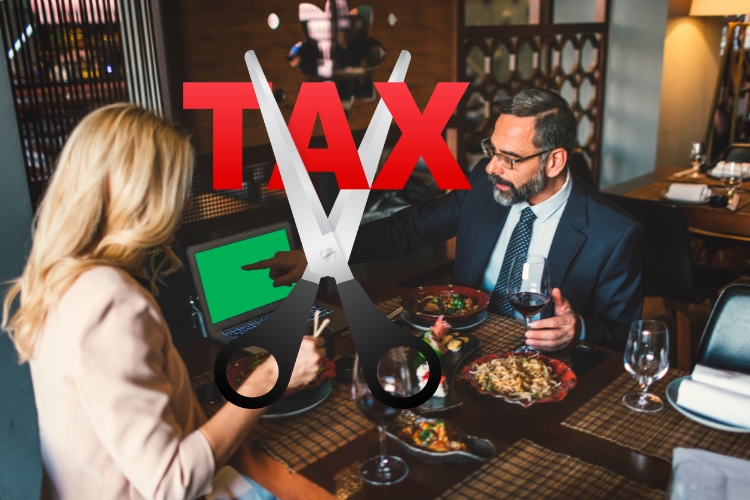
Imagine shrinking your tax bill simply by enjoying a meal. Sounds too good to be true? For those pursuing Financial Independence, Retire Early (FIRE), understanding business dining tax benefits can be a powerful tool to accelerate your journey.
Navigating the world of self-employment and business ownership while striving for FIRE can feel like a tightrope walk. Every penny counts, and figuring out which expenses are deductible, and how to properly document them, adds another layer of complexity. Missed deductions translate directly into higher taxes, slowing down your progress toward financial freedom.
This guide is for FIRE enthusiasts, freelancers, side hustlers, and small business owners seeking to leverage legitimate tax deductions related to business meals. We'll explore the rules, the nuances, and the strategies to maximize your savings while staying compliant with IRS regulations. This isn't just about saving money; it's about strategically optimizing your finances to achieve your FIRE goals faster.
In this comprehensive guide, we'll unravel the intricacies of meal deductions for FIRE practitioners. We'll cover eligibility criteria, documentation requirements, common pitfalls, and advanced strategies to help you legally minimize your tax burden and supercharge your path to financial independence. Keywords include: business meals, tax deductions, FIRE movement, self-employment tax, IRS regulations, financial independence, retirement planning, small business taxes.
The 50% Rule and the FIRE Mindset
The 50% rule is a cornerstone of business meal deductions. It dictates that you can only deduct 50% of the cost of eligible business meals. This might seem like a bummer, but from a FIRE perspective, every little bit counts. Years ago, I was starting my freelance writing business while also working a full-time job. I remember attending a conference and meticulously tracking every lunch meeting, coffee with a potential client, and even the networking dinner. At the end of the year, I diligently calculated my eligible deductions. While the 50% rule limited the total amount, it still resulted in a significant reduction in my self-employment tax. This small victory reinforced the importance of understanding and utilizing every legitimate tax advantage available.
The IRS allows you to deduct 50% of the cost of business meals that are ordinary and necessary expenses directly related to your trade or business. The meal must not be lavish or extravagant under the circumstances, and you or an employee of your business must be present. Furthermore, the meal must be directly related to, or associated with, the active conduct of your trade or business. In essence, you must be engaging in business discussions or activities during or directly before or after the meal. The IRS scrutinizes these deductions, so diligent record-keeping is crucial. This includes documenting the date, time, place, amount spent, the business purpose of the meal, and the names of the people you dined with and their business relationship to you. The 50% rule applies to expenses for food and beverages, including sales tax and tips. Understanding and implementing this rule correctly can add up to substantial savings for FIRE seekers, enabling them to invest those savings and accelerate their journey to financial independence.
What Qualifies as a Business Meal?
A business meal isn't just any meal you eat while working. It's a meal that directly benefits your business. To qualify, the meal must be ordinary and necessary, meaning it's common and helpful in your industry. You or an employee must be present at the meal. Furthermore, the meal must be directly related to or associated with the active conduct of your business. This typically involves discussing business matters, networking, or closing a deal. The IRS requires meticulous record-keeping to substantiate your claims. This includes documenting the date, time, location, amount spent, the business purpose of the meal, and the names of the people you dined with and their business relationship to you. For FIRE enthusiasts, understanding these nuances is key to optimizing their tax strategy. By carefully tracking and documenting eligible meals, they can reduce their tax burden and reinvest those savings to reach their FIRE goals faster. Examples of qualifying meals include meeting with a potential client to discuss a new project, taking a current client out to lunch to maintain a relationship, or having a working lunch with your team to brainstorm ideas. Remember, the key is that the meal must have a clear business purpose and be properly documented to withstand IRS scrutiny.
The History and Myths of Meal Deductions
The concept of deducting business expenses, including meals, dates back to the early days of income tax. Over time, the rules have evolved, reflecting societal changes and attempts to curb abuse. The 50% rule, for example, was introduced to limit deductions for lavish meals that had a questionable business purpose. One common myth is that you can deduct meals simply because you're working. This is not true. The meal must have a clear business purpose and be properly documented. Another myth is that you can only deduct meals with clients. While meals with clients are often deductible, meals with employees, vendors, or even potential business partners can also qualify. It's crucial to understand the specific requirements and not rely on outdated or inaccurate information. The history of meal deductions shows a constant tension between allowing legitimate business expenses and preventing abuse. For FIRE seekers, staying informed about the current rules and regulations is essential to avoid penalties and maximize their tax savings. By debunking these myths and understanding the historical context, they can navigate the complexities of meal deductions with confidence.
Unlocking the Hidden Secrets of Meal Deductions
Beyond the basic rules, there are lesser-known strategies that can help you maximize your meal deductions. One secret is to take advantage of the "de minimis" rule, which allows you to deduct small, infrequent meals provided to employees on-site. This could include providing snacks or occasional lunches for your team. Another strategy is to be mindful of the location of your meals. If you're traveling for business, you may be able to deduct the full cost of meals, subject to certain limitations. The key is to keep meticulous records and understand the specific rules for each situation. For FIRE enthusiasts, these hidden secrets can add up to significant tax savings over time. By being proactive and seeking out expert advice, they can optimize their tax strategy and accelerate their journey to financial independence. Remember, the IRS provides detailed guidance on meal deductions, so it's important to stay informed and consult with a tax professional if you have any questions. By unlocking these hidden secrets, you can unlock even greater financial freedom.
Recommendations for FIRE-Minded Individuals
If you're pursuing FIRE and running a business, my top recommendation is to invest in a good bookkeeping system. This will help you track your expenses accurately and ensure you're not missing any deductions. I personally use accounting software to track all my business income and expenses, including meal deductions. When I have a business meal, I make sure to immediately record the date, time, location, amount spent, the business purpose, and the names of the people I dined with. It is important that the accounting software allows you to attach a picture of the receipt. I also recommend consulting with a tax professional who understands the FIRE mindset. They can provide personalized advice and help you navigate the complexities of meal deductions. Finally, don't be afraid to get creative. There are many legitimate ways to maximize your deductions, as long as you stay within the rules. For example, you could host a business dinner at your home and deduct the cost of the ingredients, subject to certain limitations. By following these recommendations, you can optimize your tax strategy and reach your FIRE goals faster. Remember, every dollar saved is a dollar closer to financial freedom.
Document, Document, Document!
The importance of thorough documentation cannot be overstated. The IRS requires you to substantiate your deductions with adequate records. This includes receipts, invoices, and detailed notes explaining the business purpose of the meal. Your records should include the date, time, location, amount spent, the names of the people you dined with, and their business relationship to you. If you're audited, these records will be your best defense. Without proper documentation, you may be forced to repay the deductions, along with penalties and interest. For FIRE enthusiasts, this is a critical area to focus on. By implementing a robust record-keeping system, they can protect their tax savings and avoid costly mistakes. Consider using a dedicated expense tracking app or spreadsheet to organize your records. Also, make it a habit to scan or photograph your receipts immediately after the meal. This will ensure that you don't lose them and that you have a digital backup. By taking these steps, you can ensure that you're fully prepared to defend your meal deductions if necessary.
Practical Tips for Meal Deductions
Here are some practical tips to help you navigate the world of meal deductions. First, always pay with a business credit card. This will make it easier to track your expenses and reconcile them with your bank statements. Second, use a mileage tracking app to document your travel to and from business meals. You may be able to deduct these mileage expenses as well. Third, be mindful of the "lavish or extravagant" rule. The IRS may disallow deductions for meals that are considered excessive under the circumstances. Fourth, don't try to deduct personal meals disguised as business meals. This is considered tax fraud and can result in severe penalties. Fifth, stay up-to-date on the latest tax laws and regulations. The rules regarding meal deductions can change, so it's important to stay informed. Sixth, keep a separate bank account for your business. This will make it easier to track your business income and expenses. Seventh, consider hiring a tax professional to help you with your tax planning. They can provide personalized advice and help you navigate the complexities of the tax code. By following these tips, you can maximize your meal deductions and minimize your tax burden. Remember, every dollar saved is a dollar closer to FIRE.
What if you are audited?
Being audited by the IRS can be a stressful experience, but it doesn't have to be a nightmare. The key is to be prepared. If you receive an audit notice, don't panic. Take a deep breath and start gathering your records. Organize your documentation in a clear and logical manner. Be honest and cooperative with the auditor. Answer their questions truthfully and provide them with the information they request. If you're unsure about something, don't guess. Seek professional advice. If the auditor disallows some of your deductions, you have the right to appeal. Be prepared to present your case and provide supporting documentation. If you're not comfortable representing yourself, consider hiring a tax attorney. They can help you navigate the audit process and protect your rights. The best way to avoid an audit is to be honest, accurate, and thorough in your tax preparation. Keep meticulous records and seek professional advice when needed. By following these steps, you can minimize your risk of being audited and be prepared if it does happen.
Fun Facts about Meal Deductions
Did you know that the 50% rule for meal deductions was introduced in 1986? Before that, businesses could deduct the full cost of eligible meals. The change was intended to curb abuse and promote fairness. Another fun fact is that the IRS has specific guidelines for what constitutes a "reasonable" meal expense. Factors such as the location, time of day, and nature of the business being conducted are considered. The most expensive meal ever deducted as a business expense was reportedly a multi-million dollar dinner hosted by a tech CEO. While most meal deductions are much smaller, this example illustrates the potential for abuse. The IRS has a dedicated team of auditors who specialize in reviewing business expense deductions, including meals. They are trained to identify red flags and scrutinize questionable claims. The history of meal deductions is filled with interesting anecdotes and legal battles. From lavish corporate dinners to simple working lunches, these expenses have been a source of both tax savings and controversy. For FIRE enthusiasts, understanding the history and nuances of meal deductions can help them navigate the complexities of the tax code and optimize their financial strategies. By staying informed and following the rules, they can legitimately reduce their tax burden and accelerate their journey to financial independence.
How to Track Your Meal Deductions
Successfully tracking your meal deductions is crucial for maximizing your tax savings and staying compliant with IRS regulations. The first step is to establish a system for recording your business expenses. This can be as simple as a spreadsheet or as sophisticated as dedicated accounting software. The key is to choose a method that works for you and that you'll consistently use. For each business meal, be sure to record the date, time, location, amount spent, the names of the people you dined with, and their business relationship to you. Also, document the business purpose of the meal. What specific business matters were discussed? How did the meal benefit your business? Be as detailed as possible. It is also important to retain all your receipts. The receipts should be legible and include the name and address of the restaurant, the date of the meal, the amount spent, and a description of the items purchased. Consider using a mobile app to scan and store your receipts digitally. This will make it easier to organize your records and access them when you need them. Regularly reconcile your meal expenses with your bank statements and credit card statements. This will help you identify any errors or omissions. Consider using accounting software that integrates with your bank accounts and credit cards. This will automate the reconciliation process and save you time. You should review your records at least once a month to ensure they are accurate and complete. This will give you time to make any necessary corrections before tax season. By following these steps, you can ensure that you're accurately tracking your meal deductions and maximizing your tax savings.
What If You Forget to Track a Meal Deduction?
It happens to the best of us. You're busy, you forget to record a business meal expense, and now you're wondering if you've missed out on a valuable deduction. Don't panic. While it's always best to track your expenses diligently, there are still options available. The first step is to try to reconstruct the details of the meal. Do you remember the date, time, and location? Can you recall the names of the people you dined with and the business purpose of the meal? If you paid with a credit card or debit card, you may be able to find a record of the transaction on your statement. If you paid with cash, it may be more difficult to reconstruct the details. However, you may be able to estimate the amount spent based on your recollection. Once you've gathered as much information as possible, document it thoroughly. Create a detailed note explaining the circumstances of the meal and why you believe it was a legitimate business expense. Attach any supporting documentation, such as credit card statements or email correspondence. If the amount is relatively small, you may be able to simply add it to your other meal expenses and deduct it on your tax return. However, if the amount is significant, you may want to consult with a tax professional. They can help you determine the best course of action and ensure that you're complying with IRS regulations. It's important to remember that the IRS requires you to substantiate your deductions with adequate records. If you can't provide sufficient documentation, you may not be able to deduct the expense. However, by making a good-faith effort to reconstruct the details and document your claim, you may be able to salvage the deduction. The best approach is to try to track it. However, if you forget to track it, it is important to try to remember as many details as possible, and if you cannot, you may want to forego the deduction to avoid any tax penalties.
Listicle: Top 5 Mistakes to Avoid with Meal Deductions
1. Failing to document the business purpose: The IRS requires you to explain how the meal benefited your business. Be specific and avoid vague descriptions.
- Deducting personal meals: Only meals that have a clear business purpose are deductible. Don't try to disguise personal meals as business expenses.
- Exceeding the "lavish or extravagant" standard: The IRS may disallow deductions for meals that are considered excessive under the circumstances. Be reasonable in your spending.
- Forgetting to track all the necessary information: Be sure to record the date, time, location, amount spent, the names of the people you dined with, and their business relationship to you.
- Neglecting to keep your receipts: The IRS requires you to retain all your receipts to substantiate your deductions. Don't throw them away. These are common mistakes people make when deducting meals. It is important to pay attention to the details to avoid any penalities by the IRS. Make sure to follow the rules as mentioned above to properly deduct your business meals. The best thing to do is to keep all of your receipts in a safe place.
Question and Answer
Question: Can I deduct meals I eat while traveling for business?
Answer: Yes, you can generally deduct 50% of the cost of meals you eat while traveling away from home for business. The meals must be ordinary and necessary expenses directly related to your trade or business.
Question: What if I eat alone while working on my business?
Answer: Generally, meals eaten alone are not deductible unless they are part of business travel and meet the "away from home" requirements. The meal must have a clear business purpose and be ordinary and necessary.
Question: Can I deduct meals with potential clients?
Answer: Yes, meals with potential clients can be deductible if they are directly related to, or associated with, the active conduct of your business. This typically involves discussing business matters or networking.
Question: What records do I need to keep to support my meal deductions?
Answer: You need to keep records of the date, time, location, amount spent, the names of the people you dined with, their business relationship to you, and the business purpose of the meal. You should also retain your receipts.
Conclusion of Meal Deductions for FIRE Movement: Business Dining Tax Benefits
Mastering meal deductions can be a game-changer for FIRE enthusiasts. By understanding the rules, documenting expenses meticulously, and seeking professional advice when needed, you can legally minimize your tax burden and accelerate your journey to financial independence. Every dollar saved through tax deductions is a dollar that can be invested, bringing you closer to your FIRE goals. Don't leave money on the table; take advantage of the tax benefits available to you and unlock your path to financial freedom. This knowledge, combined with a disciplined savings and investment strategy, is a powerful recipe for success in the FIRE movement.
Post a Comment