Skill Building for FIRE Movement: Increase Your Earning Potential
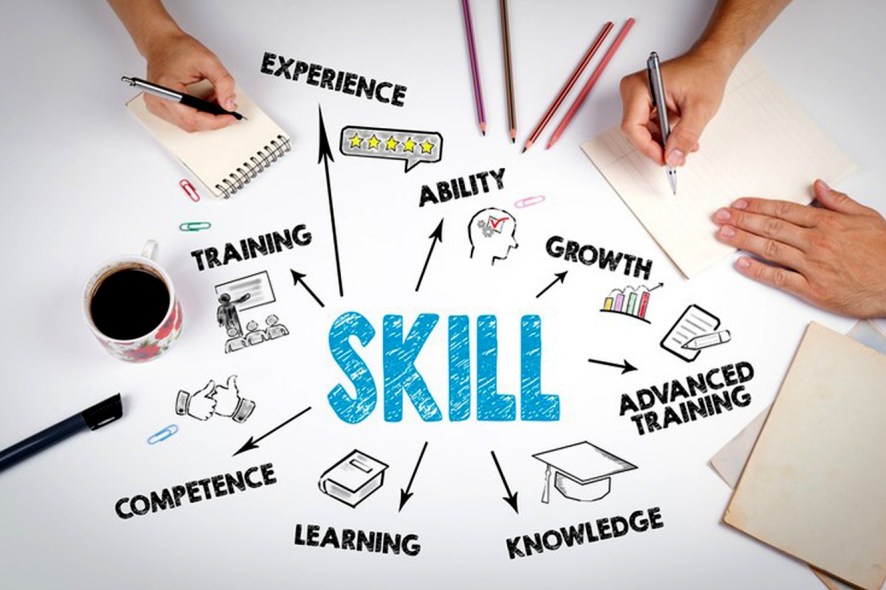
Imagine a life where work is optional, where your days are filled with passion projects and quality time with loved ones. That's the dream of Financial Independence, Retire Early (FIRE). But how do you bridge the gap between your current reality and that idyllic future?
Many who aspire to FIRE find themselves stuck. They diligently save and invest, but their income feels like a ceiling, preventing them from reaching their goals quickly. The path to financial freedom feels long and arduous, and the dream seems perpetually out of reach.
This blog post is your guide to unlocking your earning potential through strategic skill building. We'll explore how to identify valuable skills, acquire them efficiently, and leverage them to accelerate your journey to FIRE. We'll also look into personal experiences, history, myths, hidden secrets, recommendations, tips, fun facts, how to, what if and listicle of Skill Building for FIRE Movement: Increase Your Earning Potential.
In this article, we'll delve into practical strategies for boosting your income through skill development, ultimately helping you reach FIRE faster. We'll cover everything from identifying in-demand skills and efficient learning methods to leveraging your new abilities for career advancement or entrepreneurial ventures. Key elements include skill building, FIRE movement, earning potential, income streams, and financial independence.
The Power of Skill Building: My Personal Journey
I remember the day I stumbled upon the FIRE movement. I was instantly captivated by the idea of escaping the 9-to-5 grind and taking control of my time. However, my initial excitement quickly gave way to frustration. My current income simply wasn't enough to fuel my ambitious FIRE goals. I needed to find a way to earn more, and fast.
That's when I discovered the power of skill building. I started by identifying skills that were in high demand in my field and that aligned with my interests. I invested time and effort into learning these skills, taking online courses, attending workshops, and seeking mentorship from experienced professionals. It wasn't easy, but the results were transformative.
Within a year, my newfound skills landed me a promotion with a significant salary increase. I also started freelancing on the side, leveraging my skills to generate additional income streams. The combination of a higher salary and side hustles allowed me to drastically accelerate my savings rate and bring my FIRE goals within reach. Skill building wasn't just about earning more money; it was about empowering myself to create the life I wanted. It's about taking control of your financial destiny by investing in yourself. Remember that the FIRE movement is not just about frugal living and aggressive saving; it's also about maximizing your earning potential.
Understanding the Skill Building Landscape
Skill building for FIRE isn't about randomly picking up any skill. It's a targeted approach designed to maximize your earning potential within a reasonable timeframe. It involves identifying skills that are in high demand, relatively easy to learn (or leverage existing skills), and can generate significant income, either through a traditional job, freelancing, or even starting your own business.
Think of it as strategic self-improvement. Instead of just learning for the sake of learning, you're focusing on skills that will directly contribute to your financial goals. This might involve learning a new programming language, mastering digital marketing techniques, becoming proficient in data analysis, or even developing your communication and negotiation skills. The key is to identify skills that align with your interests and aptitudes while also meeting the demands of the job market. Furthermore, you need to consider the time commitment required for each skill. Some skills can be learned relatively quickly through online courses and tutorials, while others might require more formal education or on-the-job training. Finally, don't forget to consider the potential return on investment (ROI) for each skill. A skill that takes a lot of time and effort to learn but only generates a small income might not be the best choice for someone pursuing FIRE.
Debunking Skill Building Myths
There's a common misconception that skill building requires years of formal education and massive financial investment. While formal education certainly has its place, it's not the only path to acquiring valuable skills. The internet has democratized education, providing access to a wealth of online courses, tutorials, and resources that can help you learn new skills quickly and affordably.
Another myth is that you need to be a "natural" at something to excel in it. While innate talent can certainly be an advantage, it's not a prerequisite for success. With consistent effort and deliberate practice, anyone can develop valuable skills and achieve a high level of proficiency. The most important thing is to be willing to learn, persevere through challenges, and continuously seek feedback and improvement.
Historically, apprenticeships were the primary way to learn a trade. While these structured learning environments still exist, the modern skill-building landscape has evolved. Online learning platforms, bootcamps, and self-directed learning have become increasingly popular, offering more flexible and accessible options for acquiring new skills. The key is to find a learning method that suits your individual learning style and preferences. Don't be afraid to experiment with different approaches until you find what works best for you. Ultimately, the most effective skill-building strategy is one that is both engaging and sustainable in the long run.
The Hidden Secret: Leveraging Existing Skills
While learning new skills is essential, don't overlook the value of your existing skills. Often, we underestimate the potential of the skills we already possess. The hidden secret is to identify ways to leverage your existing skills to generate additional income or advance your career.
For example, if you're a skilled writer, you could offer freelance writing services to businesses or individuals. If you're proficient in data analysis, you could provide consulting services to companies that need help analyzing their data. If you're a talented photographer, you could sell your photos online or offer photography services for events.
Think outside the box and brainstorm ways to combine your existing skills with emerging technologies or market trends. For instance, if you're a skilled marketer, you could learn about AI-powered marketing tools and offer consulting services to businesses that want to leverage these technologies. The possibilities are endless, and the key is to be creative and proactive in identifying opportunities to leverage your existing skills. Furthermore, networking plays a vital role in uncovering these opportunities. Connect with people in your industry, attend industry events, and let people know about your skills and what you're looking for. You might be surprised at the opportunities that come your way.
Recommended Skills for FIRE Seekers
So, what skills are most valuable for those pursuing FIRE? While the specific skills will vary depending on your interests and aptitudes, there are some general categories that are consistently in high demand.
Tech Skills: Programming, web development, data analysis, and cybersecurity are all highly sought-after skills in today's digital economy. Digital Marketing Skills: SEO, social media marketing, content marketing, and email marketing are essential for businesses that want to reach their target audience online. Financial Skills: Financial planning, investment management, and tax preparation are valuable skills for managing your own finances and potentially offering services to others. Communication and Negotiation Skills: These skills are essential for building relationships, closing deals, and navigating complex situations in both your personal and professional life.
The best way to determine which skills are right for you is to research the job market, identify areas where there is high demand and limited supply, and then choose skills that align with your interests and aptitudes. Online job boards, industry reports, and networking events can all provide valuable insights into the skills that are most in demand. Remember to continually update your skills as the job market evolves. The skills that are in demand today might not be in demand tomorrow, so it's important to stay ahead of the curve and continuously learn new things.
The Importance of Continuous Learning
The world is constantly changing, and the skills that are in demand today might not be in demand tomorrow. That's why continuous learning is so important, especially for those pursuing FIRE. Investing in your skills is an investment in your future, ensuring that you remain relevant and competitive in the job market.
Continuous learning doesn't necessarily mean going back to school for a formal degree. It can involve taking online courses, attending workshops, reading industry publications, or simply staying up-to-date on the latest trends in your field. The key is to make learning a habit and to continuously seek opportunities to expand your knowledge and skills. Many online platforms offer subscriptions that give you access to a wide range of courses and learning materials. These subscriptions can be a cost-effective way to stay up-to-date on the latest trends and develop new skills.
Furthermore, consider joining professional organizations or attending industry conferences. These events provide opportunities to network with other professionals, learn about the latest trends, and gain valuable insights into the skills that are most in demand. Don't be afraid to experiment with different learning methods and find what works best for you. Some people prefer to learn through online courses, while others prefer to learn through hands-on projects or mentorship. The most important thing is to find a learning style that is engaging and sustainable in the long run. Remember that continuous learning is not just about acquiring new skills; it's also about maintaining and improving your existing skills. Regularly practice your skills and seek feedback from others to ensure that you are maintaining a high level of proficiency.
Top Tips for Effective Skill Building
Set Clear Goals: Before you start learning a new skill, define your goals. What do you want to achieve with this skill? How will it help you reach FIRE? Focus on Deliberate Practice: Don't just passively consume information. Actively practice the skill you're learning, focusing on areas where you need improvement. Seek Feedback: Ask for feedback from experienced professionals or mentors. Their insights can help you identify areas where you can improve and accelerate your learning. Stay Consistent: Consistency is key. Set aside dedicated time each day or week to practice your skills, even if it's just for a short period of time. Track Your Progress:Monitor your progress and celebrate your successes along the way. This will help you stay motivated and on track.
Start small and gradually increase the complexity of your learning tasks. This will help you build confidence and avoid feeling overwhelmed. Don't be afraid to make mistakes. Mistakes are a natural part of the learning process, and they provide valuable opportunities for growth. Learn from your mistakes and use them as motivation to improve. Remember to celebrate your successes, no matter how small they may seem. This will help you stay motivated and on track towards your goals. The journey to FIRE is a marathon, not a sprint, so it's important to celebrate your progress along the way.
Don't Be Afraid to Invest in Yourself
While there are many free resources available online, sometimes it's worth investing in paid courses, workshops, or coaching programs. These resources can provide more structured learning experiences, personalized feedback, and access to valuable networks. Think of it as an investment in your future earning potential. Consider the cost of delaying your FIRE goals. The sooner you reach financial independence, the more time you have to enjoy your life on your own terms. Investing in your skills can help you accelerate your journey to FIRE and enjoy the benefits of financial freedom sooner.
Before investing in a paid resource, do your research and read reviews from other students or participants. Make sure that the resource is reputable and that it aligns with your learning style and goals. Don't be afraid to ask questions and seek clarification before making a purchase. Remember that the most important investment you can make is in yourself. By investing in your skills, you are investing in your future earning potential and your ability to achieve your FIRE goals. Always prioritize learning new skills. It keeps you relevant and opens new opportunities.
Fun Facts About Skill Building and FIRE
Did you know that many early retirees attribute their success to developing valuable skills that allowed them to earn significantly more than the average person? Some even started their own businesses or side hustles based on their skills, generating passive income streams that accelerated their path to FIRE.
Another fun fact is that learning a new skill can actually boost your brainpower and improve your cognitive function. Studies have shown that learning new things can help create new neural pathways in the brain, improving memory, attention, and problem-solving skills. So, not only can skill building help you reach FIRE faster, but it can also make you smarter and more mentally agile.
Furthermore, the FIRE movement itself has spawned a whole industry of online courses, coaching programs, and resources designed to help people develop the skills they need to achieve financial independence. This demonstrates the growing demand for skill building in the FIRE community and the increasing recognition of its importance. Remember that the FIRE movement is not just about saving and investing; it's also about creating a fulfilling and meaningful life. Skill building can help you develop new passions, explore your interests, and discover new ways to contribute to the world. It's a win-win situation – you can reach FIRE faster and live a more fulfilling life along the way.
How to Get Started with Skill Building
The first step is to identify your interests and aptitudes. What are you passionate about? What are you naturally good at? What skills do you enjoy using? This will help you narrow down your options and choose skills that you are more likely to stick with in the long run.
Next, research the job market and identify skills that are in high demand and that align with your interests. Online job boards, industry reports, and networking events can all provide valuable insights into the skills that are most in demand. Once you have a list of potential skills, start exploring different learning resources. Take advantage of free online courses, tutorials, and workshops to get a feel for the skill and see if it's a good fit for you.
Once you've chosen a skill to focus on, create a learning plan and set realistic goals. Break down the skill into smaller, more manageable tasks, and set aside dedicated time each day or week to practice. Remember to track your progress and celebrate your successes along the way. Furthermore, don't be afraid to ask for help or seek mentorship from experienced professionals. Networking and connecting with others who have already mastered the skill can provide valuable insights and accelerate your learning. Finally, be patient and persistent. Learning a new skill takes time and effort, so don't get discouraged if you don't see results immediately. Stay focused on your goals and keep practicing, and you will eventually achieve mastery.
What If You Don't See Results Immediately?
It's important to remember that skill building is a long-term investment, and you might not see immediate results. Don't get discouraged if you don't land a promotion or start earning significantly more money right away. The key is to stay patient, persistent, and continue honing your skills.
If you're not seeing the results you expect, take a step back and reassess your strategy. Are you focusing on the right skills? Are you using the most effective learning methods? Are you getting enough feedback from others? Sometimes, a simple adjustment to your approach can make a big difference. Furthermore, consider networking with other professionals in your field and seeking mentorship from experienced individuals. They can provide valuable insights into the skills that are most valued by employers and offer guidance on how to improve your performance. Don't be afraid to ask for help or seek clarification when you're struggling. There are many resources available to support you on your skill-building journey. Ultimately, the most important thing is to stay positive, persistent, and believe in your ability to succeed. With hard work and dedication, you can achieve your goals and reach FIRE faster.
Also, don't be afraid to pivot if you realize that a particular skill isn't the right fit for you. Sometimes, despite our best efforts, we discover that a skill isn't as enjoyable or as valuable as we initially thought. In these cases, it's better to cut your losses and move on to something else that aligns more closely with your interests and aptitudes. Remember that the goal is to find skills that you enjoy using and that can help you reach FIRE faster. Don't waste your time on skills that don't meet these criteria.
Listicle: Top 5 Skills to Learn for FIRE
1.Programming/Software Development: In high demand, with remote opportunities.
2.Digital Marketing: Essential for online businesses and freelance work.
3.Data Analysis: Extract insights from data, valuable across industries.
4.Financial Planning/Investment Management: Manage your finances and help others.
5.Content Creation (Writing, Video, Design): Create valuable content and monetize it.
These are just a few examples, and the best skills for you will depend on your individual interests and aptitudes. However, these skills are generally in high demand and can provide a significant boost to your earning potential. Consider taking online courses or attending workshops to learn these skills. There are many free and affordable resources available online that can help you get started. Furthermore, consider networking with other professionals in these fields and seeking mentorship from experienced individuals. They can provide valuable insights into the skills that are most valued by employers and offer guidance on how to improve your performance. Don't be afraid to experiment with different skills and find what you enjoy doing. The more you enjoy a skill, the more likely you are to stick with it and develop it into a valuable asset.
Remember that skill building is an ongoing process, and you should continuously seek opportunities to learn and grow. The more skills you acquire, the more valuable you will be to employers and clients, and the faster you will reach FIRE. Don't be afraid to step outside of your comfort zone and try new things. The greatest rewards often come from taking risks and pushing yourself to learn new skills.
Question and Answer
Q: How much time should I dedicate to skill building each week?
A: Aim for at least 5-10 hours per week, but consistency is more important than quantity.
Q: What if I don't have any money to invest in courses?
A: There are plenty of free resources online, like You Tube tutorials, free courses on platforms like Coursera and ed X, and community college classes.
Q: How do I know which skills are in demand?
A: Research job boards, industry reports, and connect with professionals in fields that interest you.
Q: Can I really reach FIRE just by building skills?
A: Skill building is a powerful tool, but it's most effective when combined with saving, investing, and smart financial planning.
Conclusion of Skill Building for FIRE Movement: Increase Your Earning Potential
Skill building is an indispensable tool for anyone striving for FIRE. By strategically acquiring valuable skills and actively leveraging them, you can significantly boost your income, accelerate your savings rate, and ultimately reach financial independence sooner. Remember, the journey to FIRE is a marathon, not a sprint, and investing in yourself through skill development is one of the most rewarding investments you can make.
Post a Comment