Electronics Repair for FIRE Movement: Tech Fix Income
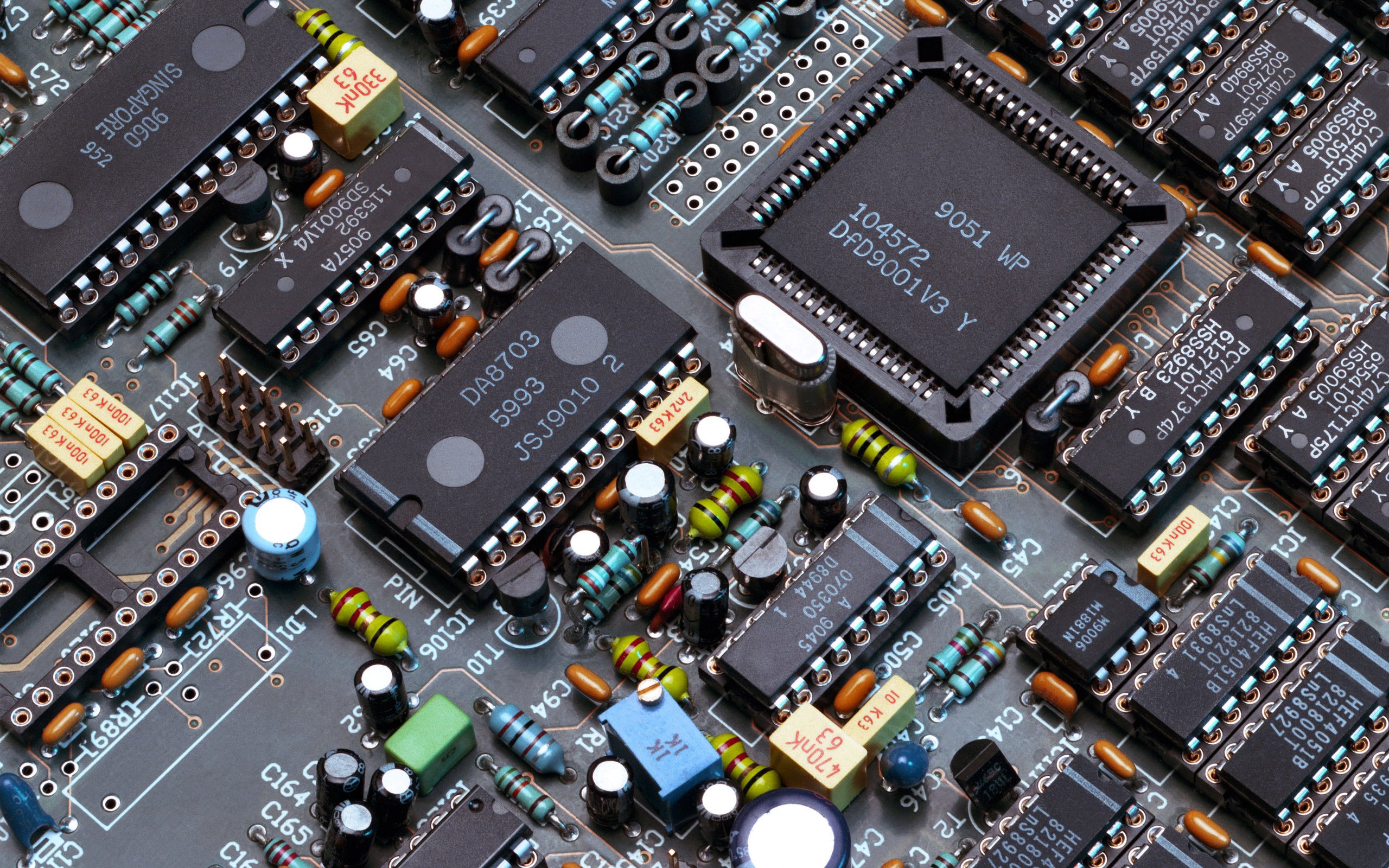
Imagine a world where you could turn broken gadgets into gold, all while paving your way to financial independence. Sounds intriguing, right? Well, it's more attainable than you might think. Let's explore how you can leverage your tech skills to accelerate your journey to FIRE (Financial Independence, Retire Early).
Many aspiring to FIRE often find themselves stuck in the grind, trading time for money, feeling the pressure to constantly increase their income through traditional means. This can lead to burnout, limited free time, and a feeling of being trapped. They crave more control over their finances and their time, seeking alternative income streams that align with their interests and skills.
This blog post is for those who are seeking alternative income streams to fuel their FIRE journey. It's for the tech-savvy individual, the tinkerer, and the resourceful problem-solver. We'll delve into the world of electronics repair as a viable path to financial independence, offering practical insights, tips, and inspiration to help you get started.
This article explored electronics repair as a means to accelerate your FIRE journey. It touched on the potential for generating significant income, the resources needed, and the importance of continuous learning. By mastering electronics repair, you can not only boost your savings but also gain valuable skills and contribute to a more sustainable future. Keywords like side hustle, passive income, tech repair, financial freedom, and DIY repair are vital to remember on this journey.
My First Fix: A Spark of Inspiration
It all started with a broken laptop. A friend was about to toss it, deeming it unfixable. Intrigued, I offered to take a look. Armed with a screwdriver, some online tutorials, and a healthy dose of curiosity, I dove in. Hours later, after replacing a faulty RAM module, the laptop sprang back to life. The feeling of accomplishment was immense, and the gratitude from my friend was even better. But the real eye-opener was the realization that this seemingly worthless piece of junk could be transformed into something valuable. That was my first spark to consider Electronics Repair for FIRE Movement: Tech Fix Income.
That experience ignited a passion and a potential income stream. I started small, fixing phones and tablets for friends and family. Word of mouth spread, and soon I had a steady flow of repair requests. What began as a hobby quickly turned into a profitable side hustle. I began diving deeper into understanding electronics and repairing more complicated devices. This led me to researching the FIRE movement, and I realized that Electronics Repair could be my way to accelerate my journey to financial independence. The money I made was reinvested in better tools and equipment, which in turn allowed me to tackle more complex repairs and charge higher rates. I learned about common failures, diagnostic techniques, and replacement part sourcing. The internet became my classroom, with You Tube tutorials, online forums, and manufacturer manuals providing invaluable knowledge. Over time, I gained the confidence and expertise to handle everything from cracked screens to motherboard repairs.
What is Electronics Repair for FIRE Movement: Tech Fix Income?
Electronics Repair for FIRE Movement: Tech Fix Income is a strategy that uses the skills and knowledge of electronics repair to generate income and accelerate your journey to financial independence and early retirement. Instead of relying solely on a traditional job, individuals leverage their ability to fix broken devices to create a supplemental or even primary income source.
This approach is more than just a side hustle; it's a deliberate plan to increase savings and investments, ultimately leading to earlier financial freedom. It can take different forms, from a part-time gig repairing phones in your spare time to a full-fledged business offering specialized repair services. The key is to identify a niche market, acquire the necessary skills, and effectively market your services. Moreover, it’s not just about the money, it’s also about contributing to a sustainable economy by extending the life of electronics and reducing e-waste. The skills learned through electronics repair can also be applied to other areas of life, fostering a sense of resourcefulness and self-reliance. Common tools and equipment required typically include a soldering station, multimeter, precision screwdrivers, heat gun, and various other diagnostic tools. The income potential varies widely depending on factors like skill level, location, and marketing efforts. The FIRE movement is all about optimizing income and minimizing expenses, and electronics repair can be a potent tool for both.
The History and Myths of Tech Repair
The history of electronics repair is intertwined with the history of electronics itself. In the early days of radio and television, repair shops were commonplace, staffed by skilled technicians who could diagnose and fix complex problems. As technology advanced, electronics became more complex and specialized, and the repair industry adapted accordingly. However, with the rise of mass production and cheaper electronics, a "throwaway" culture emerged, leading to a decline in the popularity of repair.
One of the biggest myths surrounding electronics repair is that it's too difficult or requires extensive training. While specialized repairs may require advanced knowledge, many common problems, like cracked screens or battery replacements, can be tackled with basic tools and online resources. Another myth is that repair is too expensive compared to buying new. While this may be true in some cases, repairing can often be a more economical and sustainable option, especially for high-end devices or when sentimental value is involved. Moreover, repairing can offer valuable skills and knowledge. The myth that manufacturers intentionally make devices difficult to repair, also known as "planned obsolescence," is another prevalent belief. While there may be some truth to this, there are also legitimate reasons for design choices that can make repair challenging, such as miniaturization and waterproofing. The "right to repair" movement is fighting to make repair more accessible and affordable, advocating for laws that require manufacturers to provide repair manuals and replacement parts. Understanding the history and debunking the myths surrounding tech repair can empower you to take control of your electronics and your finances.
The Hidden Secret: Specialization
The hidden secret to success in electronics repair for FIRE isn't just about being able to fix anything; it's about finding a niche and specializing. While being a generalist can be helpful, focusing on a specific type of device or repair can make you an expert, command higher prices, and attract a loyal customer base.
This specialization could be anything from Apple device repairs to game console repairs to drone repairs. By focusing on a specific niche, you can develop deeper expertise, invest in specialized tools, and build a reputation as the go-to person for that particular type of repair. Moreover, specializing allows you to streamline your workflow, optimize your pricing, and reduce the time it takes to complete repairs. The key is to identify a niche that aligns with your interests, skills, and local market demand. Market research can help you identify unmet needs and opportunities for specialization. Networking with other repair professionals can also provide valuable insights and potential collaborations. For example, if you are passionate about vintage audio equipment, you could specialize in repairing and restoring classic amplifiers and turntables. If you are skilled in soldering, you could focus on repairing circuit boards for various devices. Remember that focusing on Electronics Repair for FIRE Movement: Tech Fix Income is to be very good at a particular type of repair, in the long run, this will increase your profits.
Recommendations for Getting Started
If you're ready to dive into electronics repair as a FIRE strategy, here are a few recommendations to get you started: First, invest in basic tools and equipment. You don't need to buy the most expensive gear, but having a decent set of screwdrivers, a soldering iron, a multimeter, and a heat gun is essential.
Second, start with simple repairs. Don't try to fix a complex motherboard on your first try. Start with cracked screens, battery replacements, and other common issues. Online tutorials and repair guides can be invaluable resources. Third, practice, practice, practice. The more you repair, the better you'll become. Look for broken devices at thrift stores, garage sales, or from friends and family. Fourth, build a website or social media presence. Even a simple website can help you attract customers and showcase your skills. Use social media to share your repairs and offer tips. Fifth, network with other repair professionals. Connecting with other repair technicians can provide valuable insights, support, and potential collaborations. Attend local tech events or join online forums. Sixth, get certified. While not always necessary, certifications can demonstrate your expertise and increase your credibility. Comp TIA and i Fixit offer various certifications for electronics repair technicians. Finally, consider offering a warranty on your repairs. This can give customers peace of mind and build trust.
Choosing the Right Tools for the Trade
Selecting the right tools is crucial for efficient and effective electronics repair. A good set of tools not only makes the job easier but also reduces the risk of damaging delicate components. Start with a basic toolkit that includes a variety of screwdrivers, pliers, tweezers, and a multimeter. Invest in quality brands that will last. As you gain experience, you can expand your toolkit to include more specialized tools.
A soldering station is essential for many types of repairs, from replacing components to fixing broken wires. Choose a station with adjustable temperature control and a fine-tip soldering iron for precision work. A heat gun is useful for removing adhesives and desoldering components. A digital multimeter is indispensable for testing voltages, currents, and resistances. A microscope or magnifying glass can be helpful for inspecting small components and identifying defects. An ultrasonic cleaner can be used to clean circuit boards and remove contaminants. A logic probe or logic analyzer can be used to troubleshoot digital circuits. A function generator can be used to generate test signals. A programmers or emulators can be used to repair devices at hardware level. A well-organized workspace is also essential. Keep your tools and equipment within easy reach and maintain a clean and clutter-free environment. Proper lighting is crucial for working on small components. Use antistatic mats and wrist straps to protect sensitive electronics from electrostatic discharge (ESD). Investing in quality tools and maintaining a well-organized workspace will make your repairs more efficient and professional.
Essential Tips for Electronics Repair Success
To truly thrive in electronics repair for FIRE, it's not enough to just know how to fix things. You need to approach it strategically and professionally. One of the most important tips is to document everything. Take photos before you start disassembling a device, noting the location of screws, cables, and other components. This will make reassembly much easier and prevent costly mistakes.
Another essential tip is to create a pricing structure. Research the market and determine your rates based on the type of repair, the complexity of the job, and your experience level. Be transparent about your pricing and provide written estimates to your customers. Excellent customer service is also crucial. Be friendly, responsive, and professional in your interactions with customers. Listen to their concerns and explain the repair process clearly. Offer a warranty on your repairs to build trust and confidence. Continuous learning is essential in the ever-evolving world of electronics. Stay up-to-date on the latest technologies, repair techniques, and tools. Attend workshops, read industry publications, and participate in online forums. Proper inventory management is also important. Keep track of your parts and supplies and order them in a timely manner to avoid delays. Consider using inventory management software to streamline the process. Finally, don't be afraid to ask for help. There are many online communities and forums where you can connect with other repair professionals and get advice.
Marketing Your Tech Repair Services
Effective marketing is essential for attracting customers to your electronics repair business. Start by creating a professional website that showcases your services, pricing, and contact information. Use high-quality photos and videos to demonstrate your expertise. Optimize your website for search engines to ensure that potential customers can easily find you online.
Utilize social media platforms to promote your services and engage with your target audience. Share tips, tutorials, and success stories. Run targeted ads to reach potential customers in your local area. Consider creating a Google My Business listing to improve your visibility in local search results. Ask satisfied customers to leave reviews on your website and on platforms like Google and Yelp. Positive reviews can significantly boost your reputation and attract new customers. Partner with local businesses, such as computer stores and phone shops, to offer your repair services to their customers. Attend local events and trade shows to network and promote your business. Offer discounts and promotions to attract new customers. Consider offering a referral program to incentivize existing customers to refer new business to you. Word-of-mouth marketing is a powerful tool, so encourage your customers to spread the word about your services. Continuously track your marketing efforts and analyze your results to identify what's working and what's not. Adapt your strategy accordingly to maximize your return on investment.
Fun Facts About Electronics Repair
Did you know that the first documented electronic repair was likely the fixing of a telegraph system in the mid-19th century? Or that the world's largest electronics recycling plant processes over 100 million pounds of e-waste each year? Electronics repair is not only a practical skill but also a fascinating field with a rich history and ongoing evolution.
The "right to repair" movement is gaining momentum worldwide, advocating for laws that require manufacturers to provide repair manuals and replacement parts to consumers and independent repair shops. The most common type of electronic device repaired is the smartphone, followed by laptops and tablets. The average lifespan of a smartphone is only two to three years, leading to a significant amount of e-waste. The cost of repairing a broken device can often be less than the cost of replacing it, making repair a more economical and sustainable option. Some electronics repair technicians specialize in repairing vintage audio equipment, restoring classic amplifiers and turntables to their former glory. The process of repairing electronics can be a rewarding and intellectually stimulating experience, requiring problem-solving skills, technical knowledge, and a keen eye for detail. The electronics repair industry is constantly evolving, with new technologies and repair techniques emerging all the time. Staying up-to-date on the latest trends is essential for success in this field. By embracing the fun and fascinating aspects of electronics repair, you can cultivate a lifelong passion and turn it into a rewarding career or side hustle. The growing demand for electronics repair services is creating new opportunities for entrepreneurs and skilled technicians.
How to Start Your Electronics Repair Journey
Starting your electronics repair journey doesn't require a formal education. There are plenty of resources available online to help you learn the basics. Start by watching You Tube tutorials, reading repair guides, and practicing on broken devices. i Fixit is a great resource for repair manuals and guides. Consider taking online courses or workshops to gain more in-depth knowledge.
Look for community colleges or vocational schools that offer electronics repair programs. Join online forums and communities to connect with other repair professionals and get advice. Start by repairing your own devices and those of friends and family. This will give you valuable experience and build your confidence. Invest in basic tools and equipment. You don't need to buy the most expensive gear, but having a decent set of screwdrivers, a soldering iron, a multimeter, and a heat gun is essential. Create a workspace where you can work comfortably and safely. Proper lighting and ventilation are important. Practice safe soldering techniques to avoid burns and exposure to harmful fumes. Use antistatic mats and wrist straps to protect sensitive electronics from electrostatic discharge (ESD). Always unplug devices before disassembling them. Be careful when working with batteries, as they can be hazardous if mishandled. Dispose of e-waste responsibly. Many electronics retailers and recycling centers offer e-waste recycling programs. Be patient and persistent. Electronics repair can be challenging, but with practice and dedication, you can develop the skills and knowledge to succeed.
What If I Fail? Overcoming Challenges in Tech Repair
Failure is an inevitable part of the learning process, especially in electronics repair. Don't be discouraged if you encounter setbacks or make mistakes. Learn from your failures and use them as opportunities to improve your skills. One of the biggest challenges in electronics repair is diagnosing the problem. Sometimes the symptoms can be misleading, and it can take time and effort to pinpoint the root cause.
Don't be afraid to ask for help from other repair professionals. There are many online communities and forums where you can get advice and guidance. Another challenge is sourcing replacement parts. Sometimes it can be difficult to find the right parts for older or less common devices. Be patient and persistent in your search. Check online marketplaces like e Bay and Amazon, as well as specialized parts suppliers. Mistakes are inevitable, so be prepared to fix them. Don't panic if you accidentally break a component or damage a circuit board. Take a deep breath and try to figure out how to repair the damage. Sometimes it's necessary to replace the entire component or board. Stay up-to-date on the latest repair techniques and tools. The electronics repair industry is constantly evolving, so it's important to keep learning. Don't give up. Electronics repair can be challenging, but it can also be very rewarding. The satisfaction of fixing a broken device and saving it from the landfill is a great feeling. By embracing failure as a learning opportunity, you can overcome challenges and become a skilled electronics repair technician.
Top 5 Reasons to Embrace Electronics Repair for FIRE
Here's a quick listicle summarizing the benefits of incorporating electronics repair into your FIRE strategy:
- Increased Income: Generate extra cash by fixing broken devices for others.
- Skill Development: Acquire valuable technical skills that can be applied to other areas of life.
- Reduced Expenses: Repair your own devices instead of buying new ones.
- Sustainability: Contribute to a more sustainable future by extending the life of electronics and reducing e-waste.
- Financial Freedom: Accelerate your journey to financial independence and early retirement.
By combining your passion for technology with your desire for financial freedom, you can create a rewarding and fulfilling path to FIRE. The possibilities are endless, and the rewards are well worth the effort. Embrace the challenge, learn new skills, and start turning broken gadgets into gold today.
Question and Answer Section
Here are some frequently asked questions about electronics repair and its connection to the FIRE movement:
Q: Do I need a degree in electronics to start repairing devices?
A: No, a formal degree is not required. Many successful repair technicians learn through online resources, tutorials, and hands-on experience.
Q: How much money can I realistically make repairing electronics?
A: Income potential varies greatly depending on your skills, location, and marketing efforts. Some technicians earn a few hundred dollars per month as a side hustle, while others build full-time businesses generating thousands of dollars per month.
Q: What are the most common types of devices that need repair?
A: Smartphones, laptops, tablets, and game consoles are among the most common devices needing repair.
Q: Is electronics repair a sustainable long-term income strategy?
A: Yes, as long as people continue to use electronic devices, there will be a demand for repair services. Additionally, the growing emphasis on sustainability and the "right to repair" movement are likely to further increase the demand for skilled repair technicians.
Conclusion of Electronics Repair for FIRE Movement: Tech Fix Income
Electronics repair offers a unique and potentially lucrative path to FIRE. It combines the satisfaction of fixing things with the financial rewards of entrepreneurship. By acquiring the necessary skills, marketing your services effectively, and embracing continuous learning, you can turn broken gadgets into a stepping stone towards financial independence and early retirement. So, grab your screwdrivers, fire up your soldering iron, and start your journey to a more secure and fulfilling future. Remember, it's not just about the money; it's about the skills, the sustainability, and the satisfaction of bringing broken things back to life.
Post a Comment